
Make peace not war – Stage 3
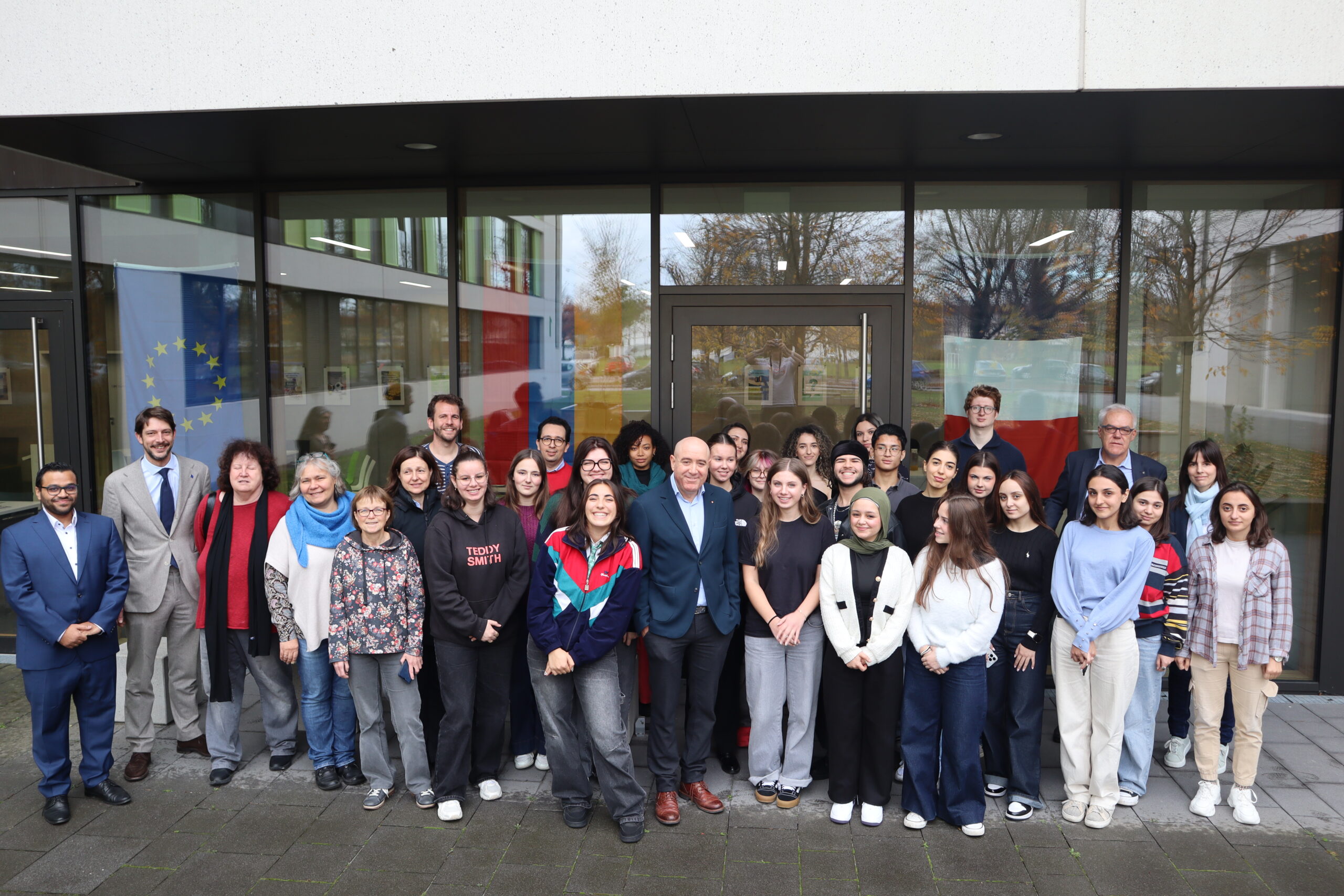
An der Jugendbegegnung nahmen insgesamt junge Menschen aus Deutschland, Frankreich und Armenien teil. Jede Ländergruppe wurde von einer Partnerorganisation begleitet:

Einblicke in die Jugendbegegnung
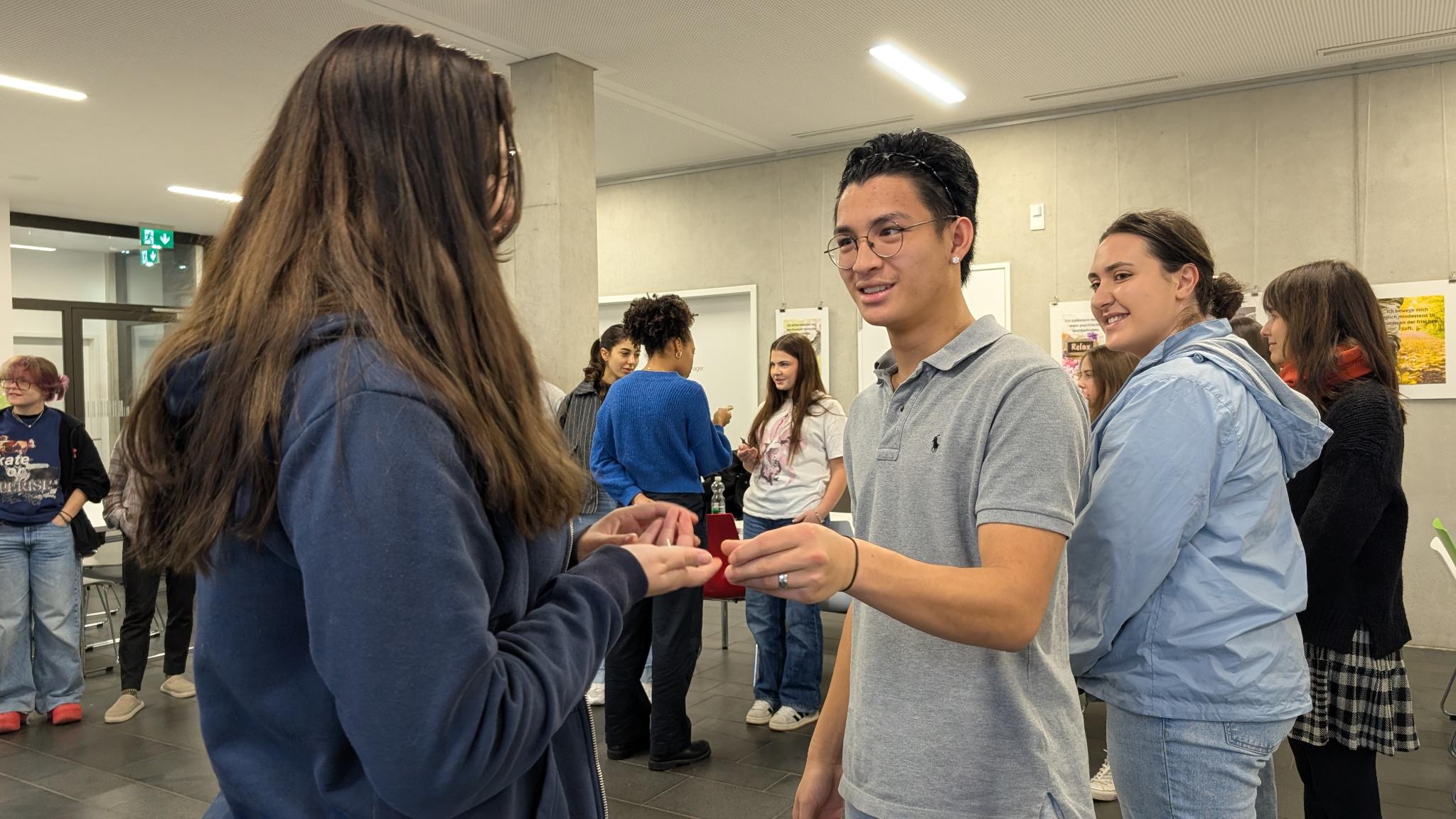
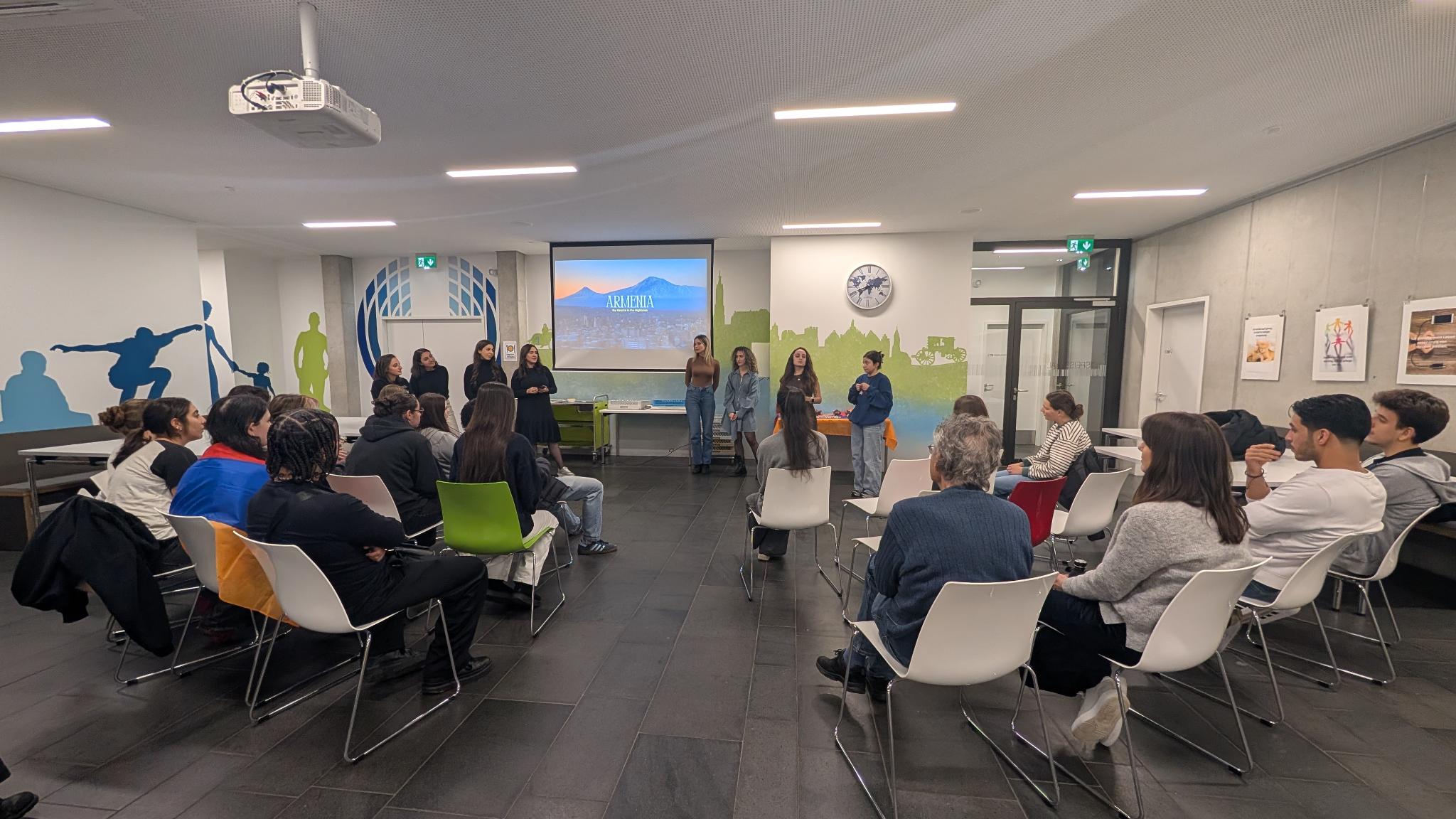
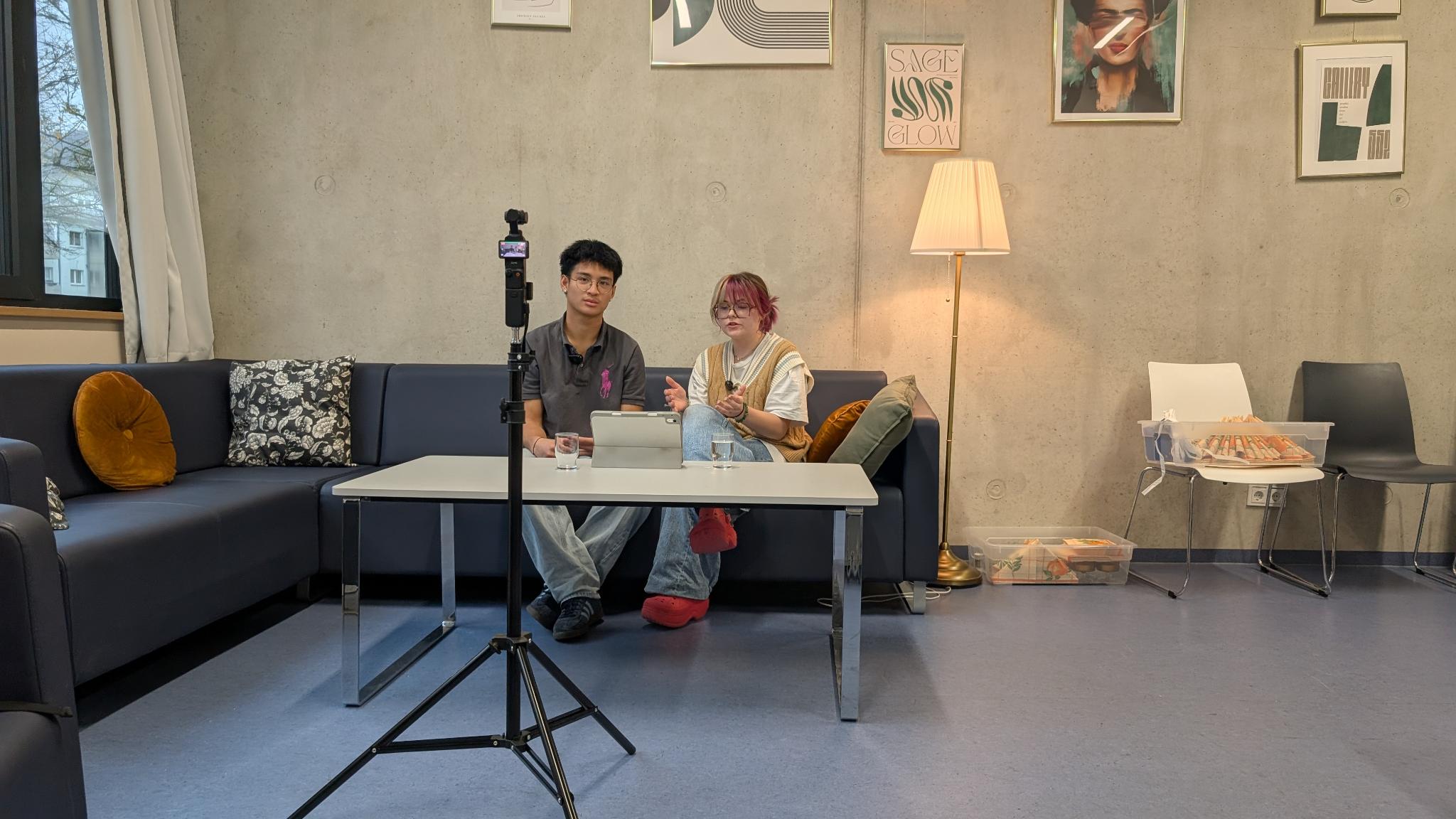
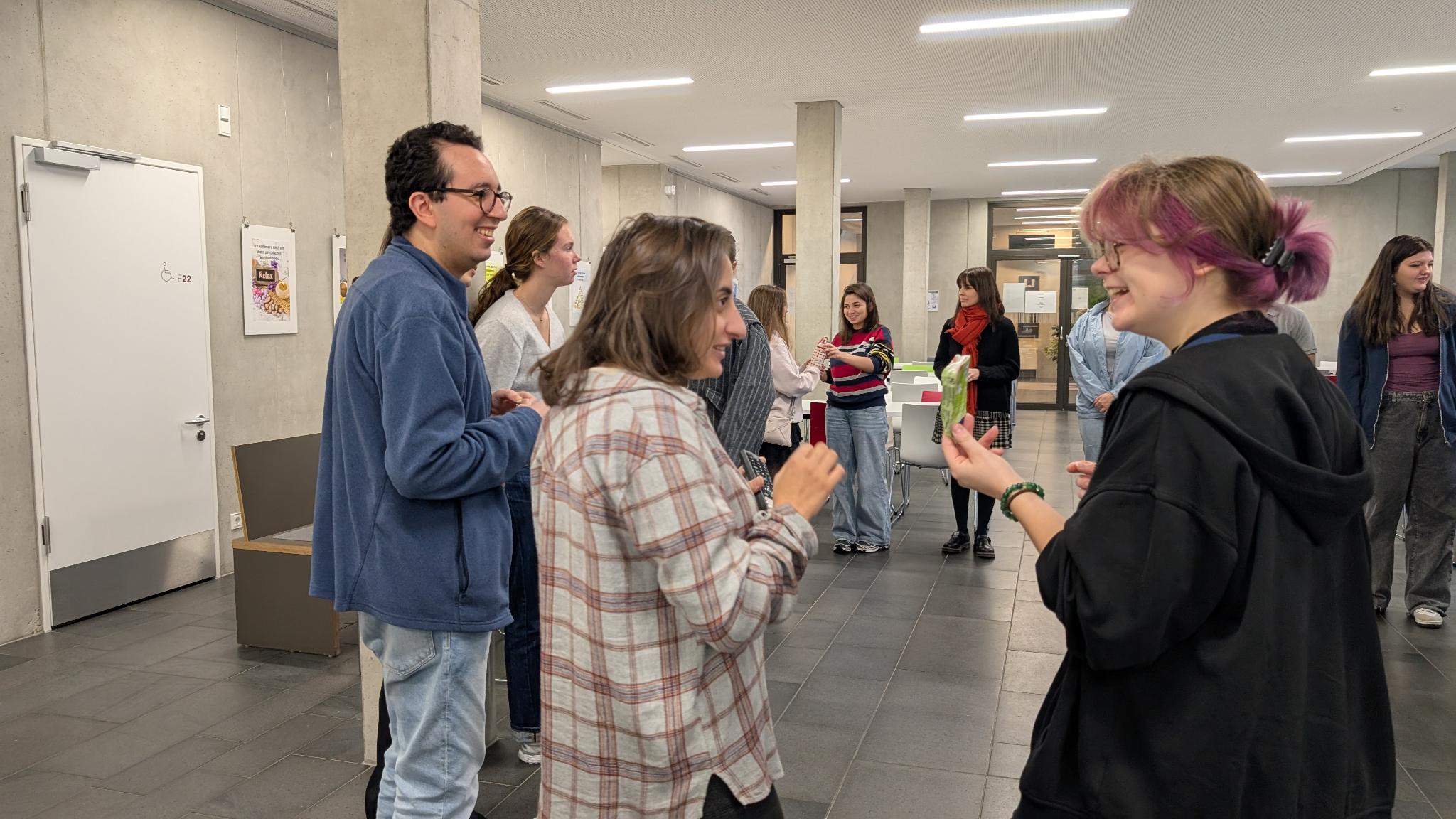
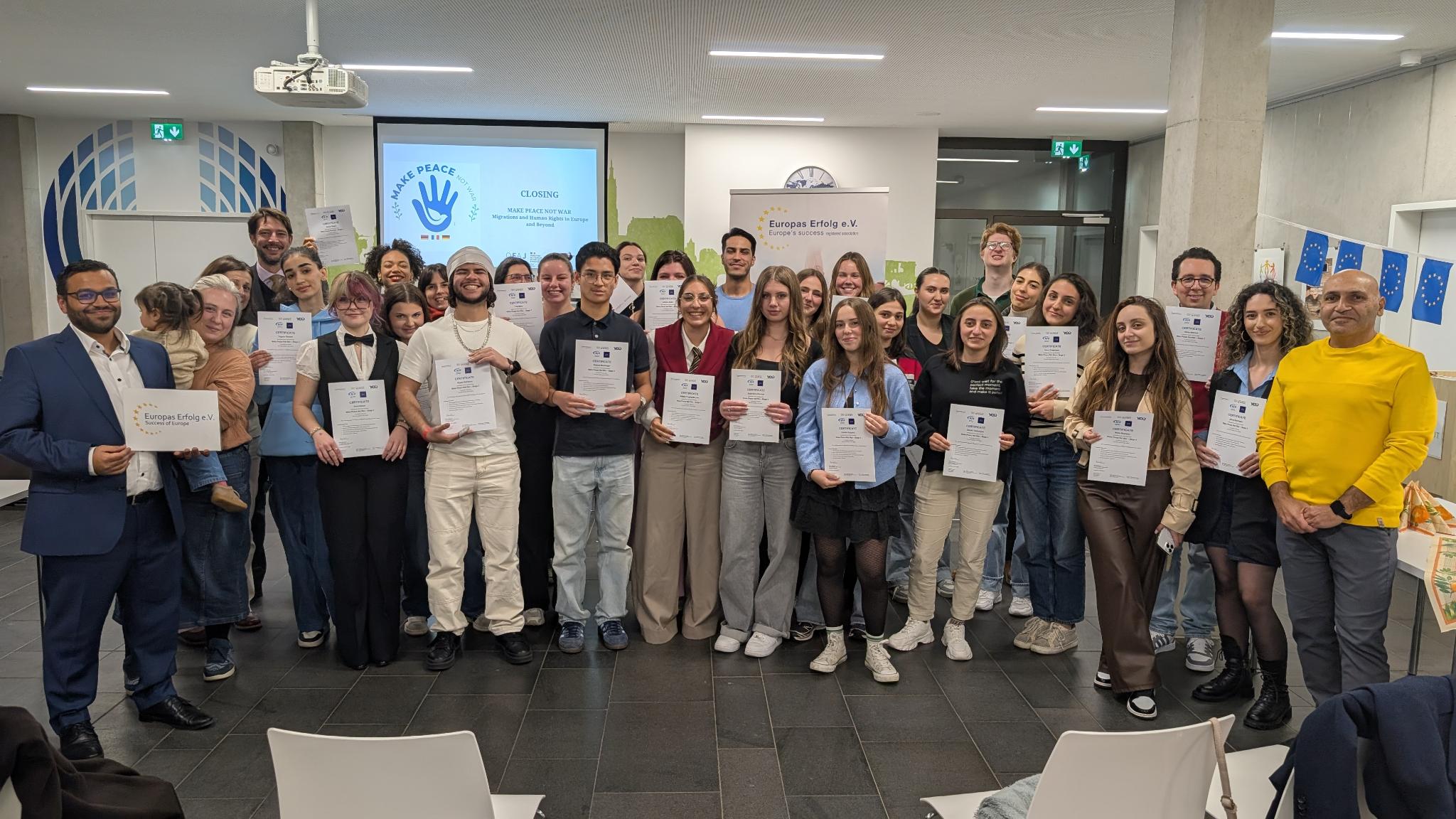
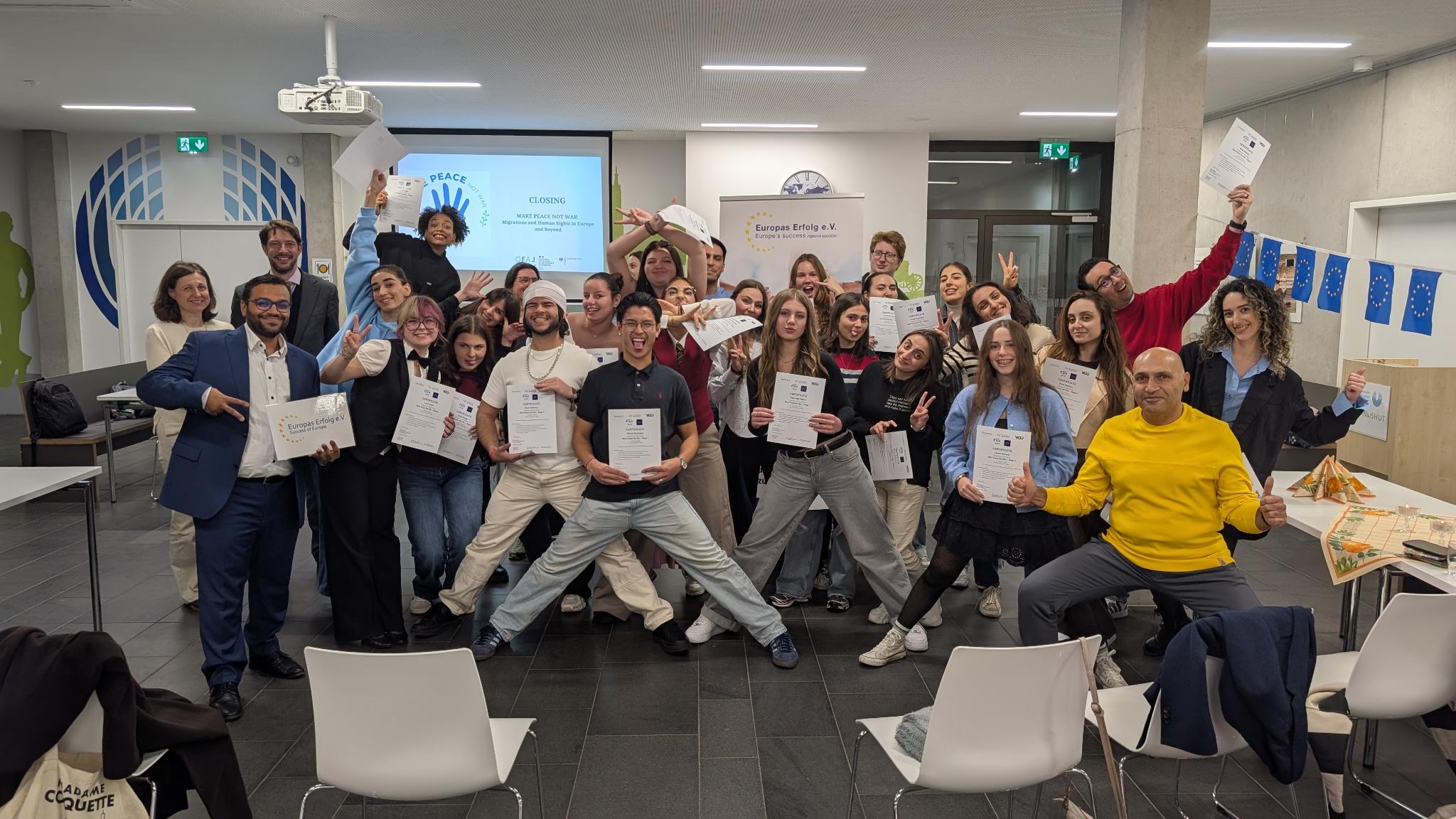
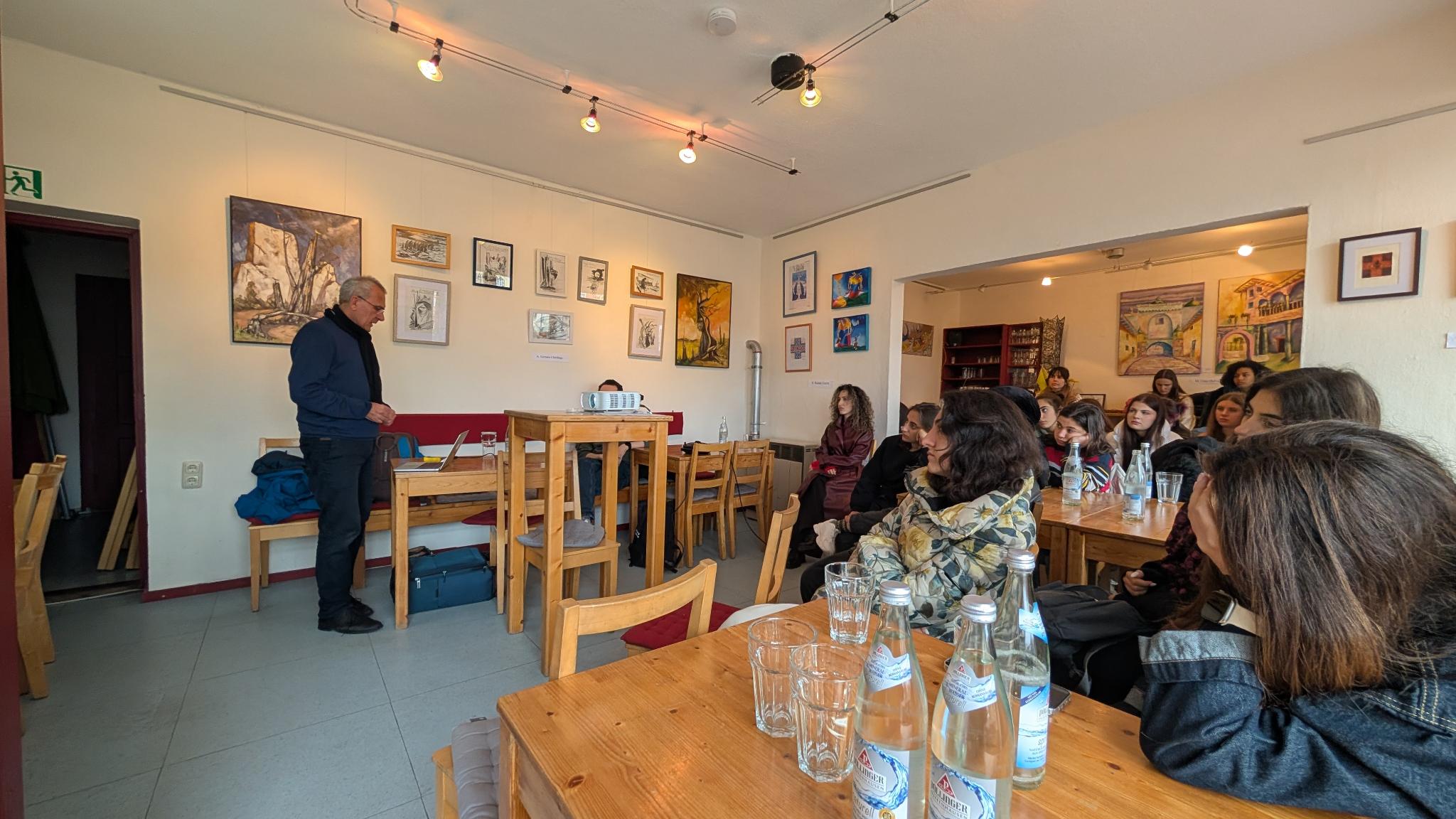
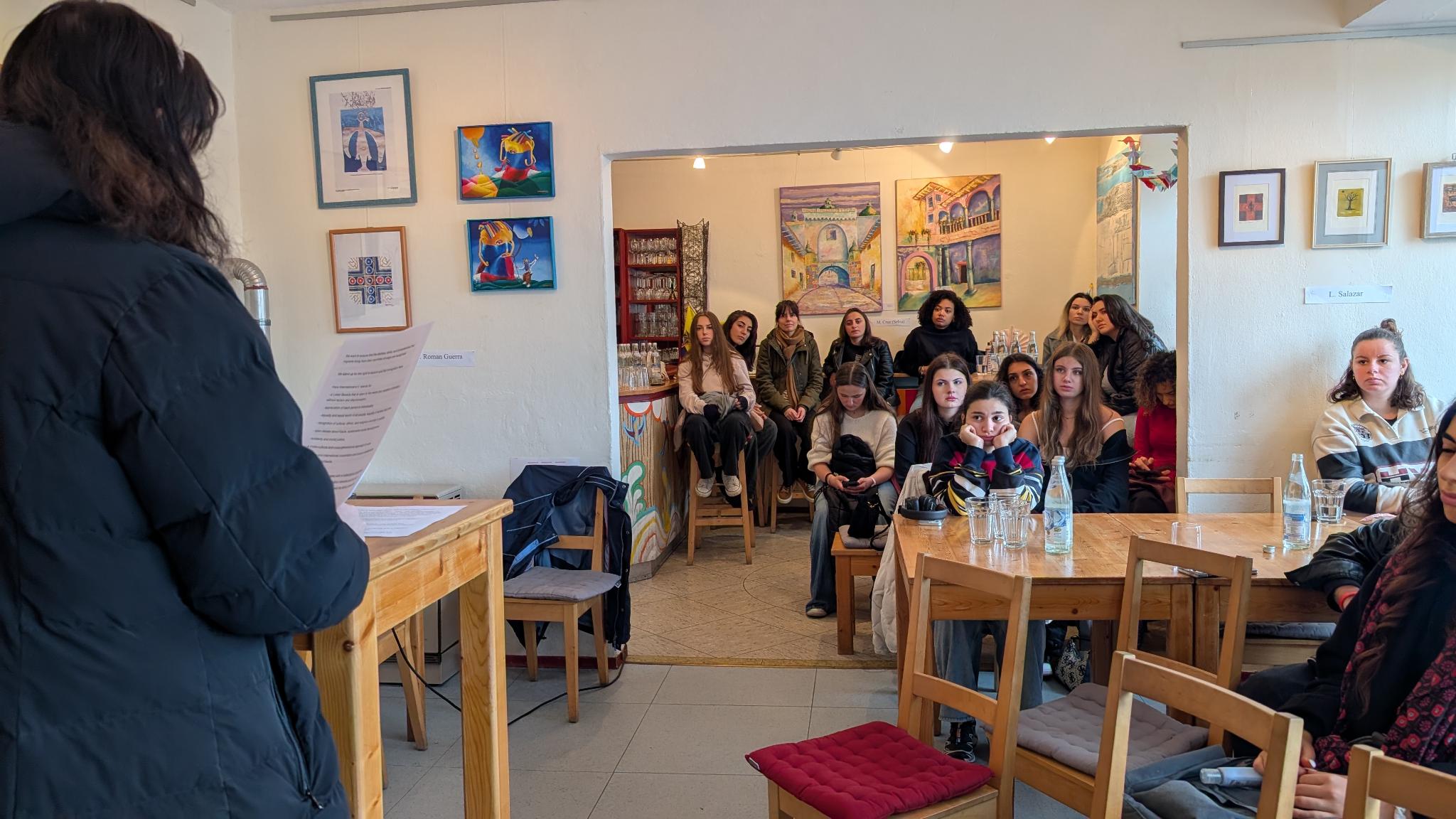
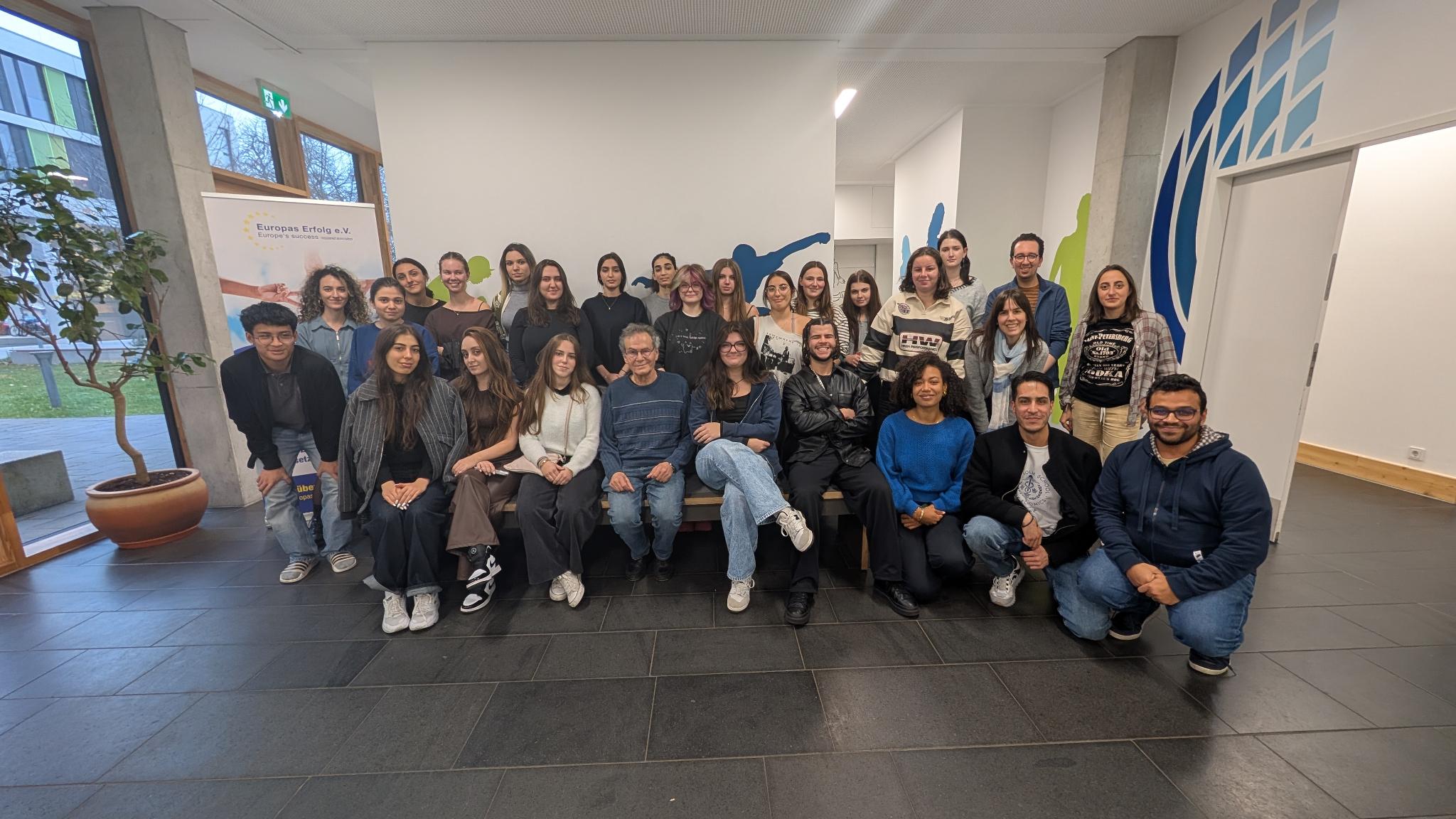
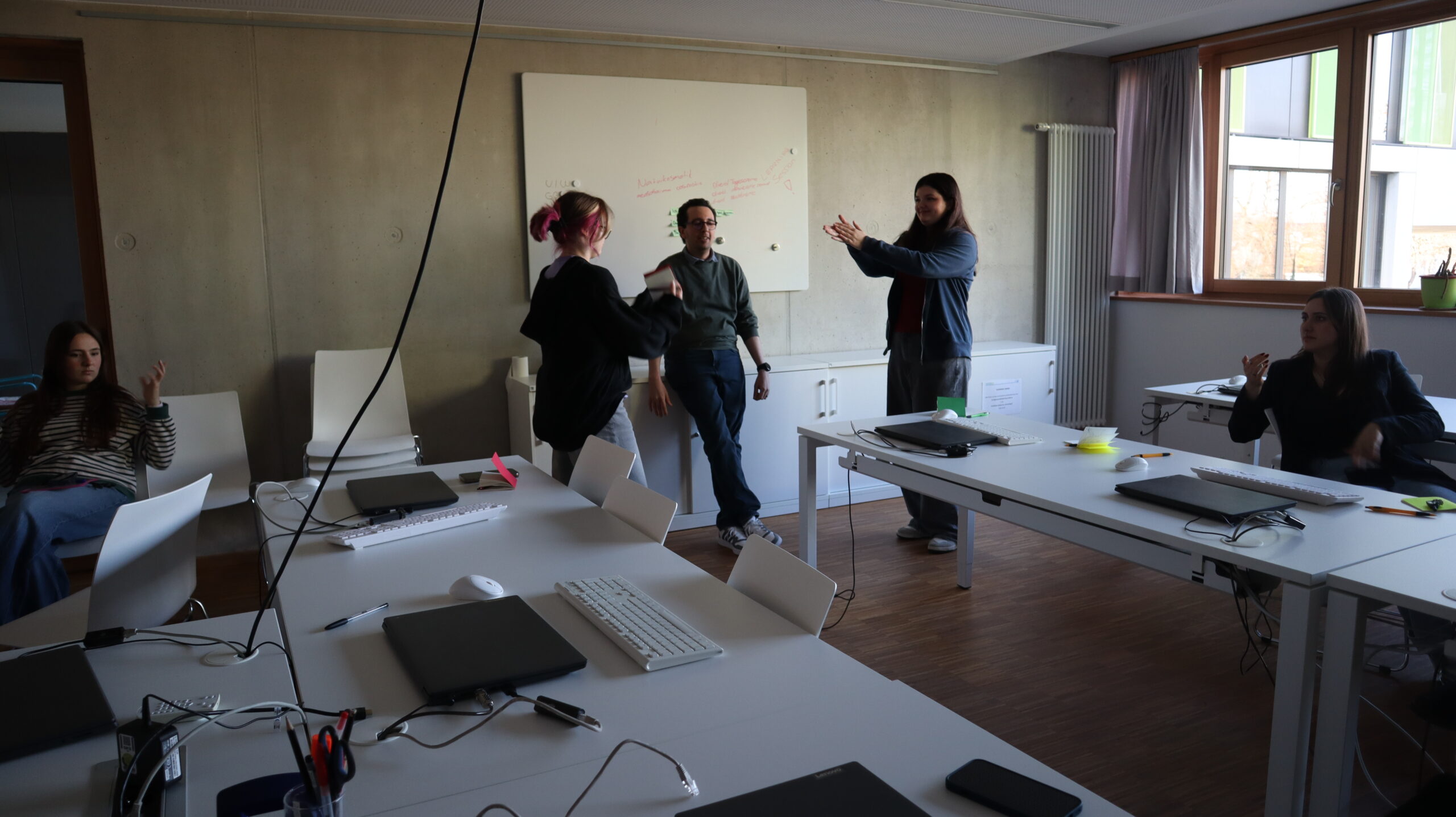
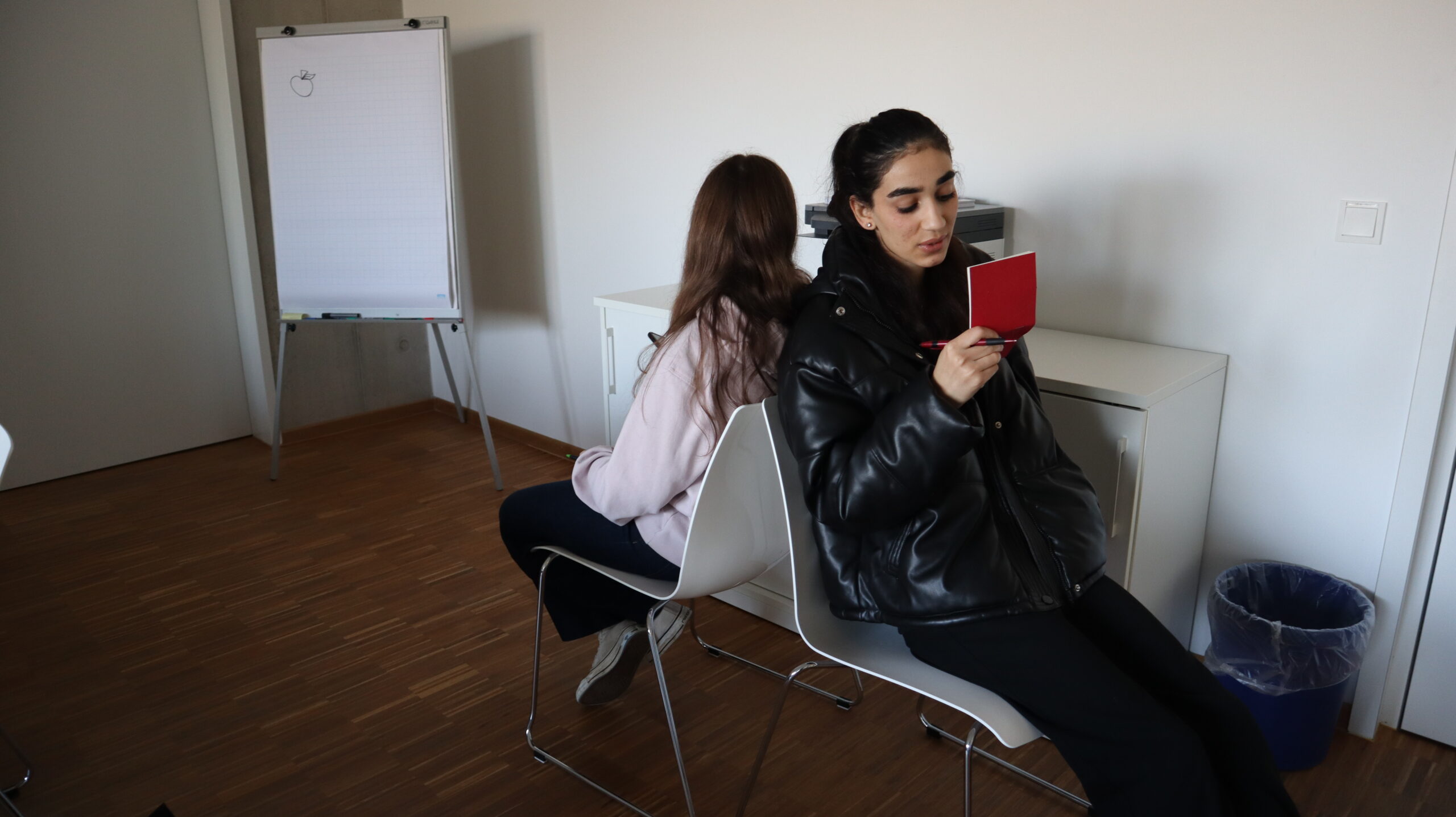
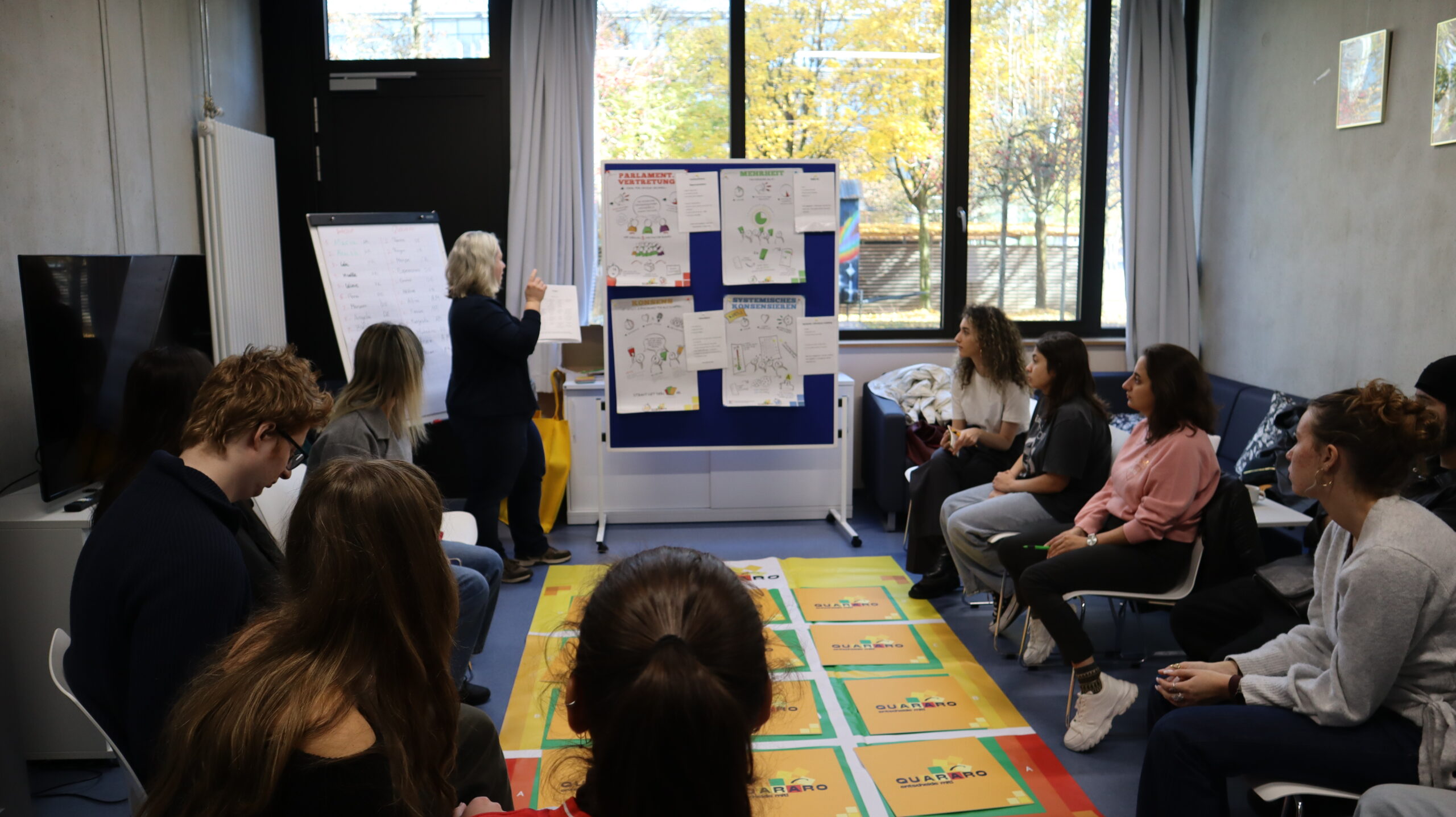
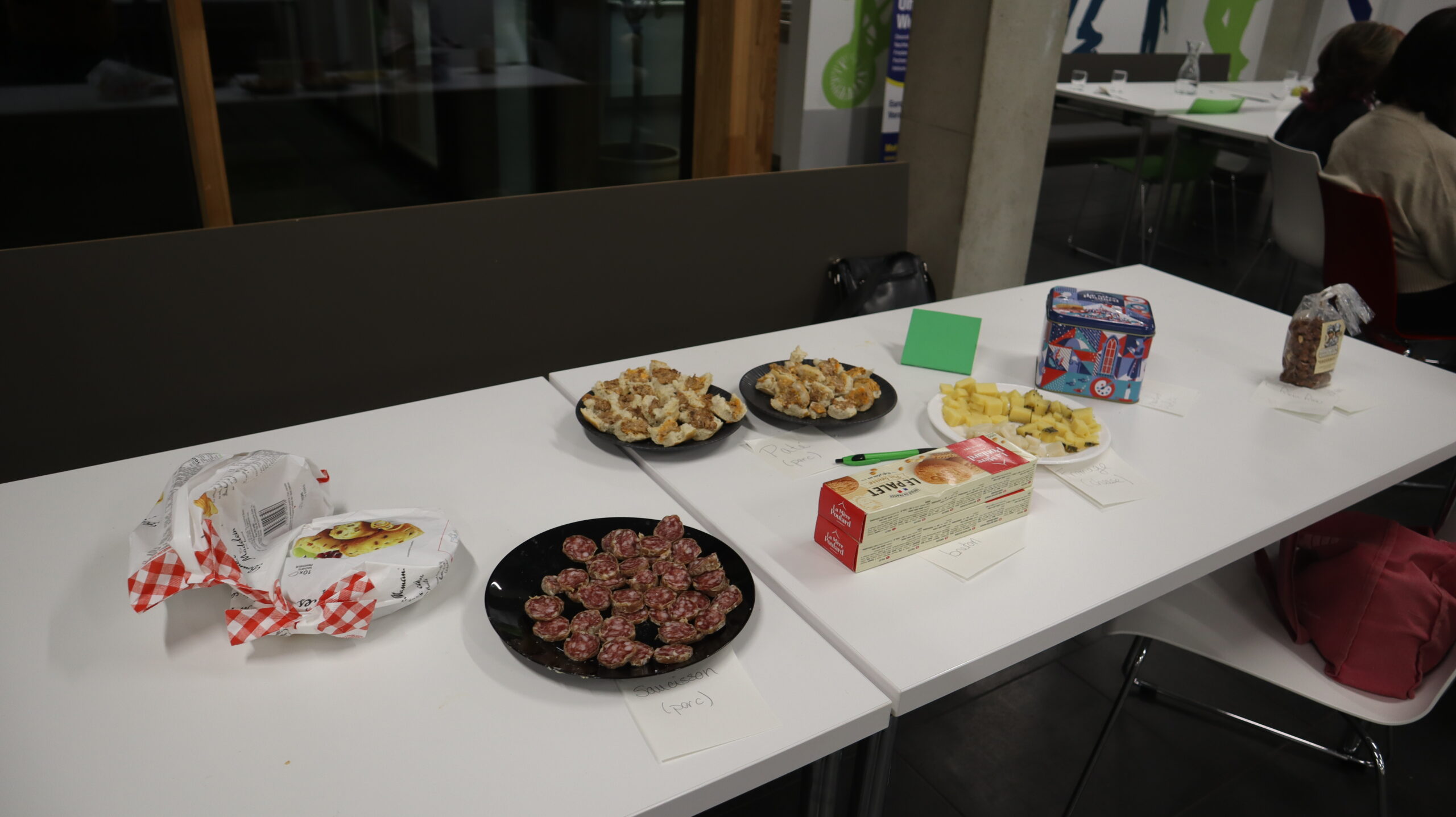
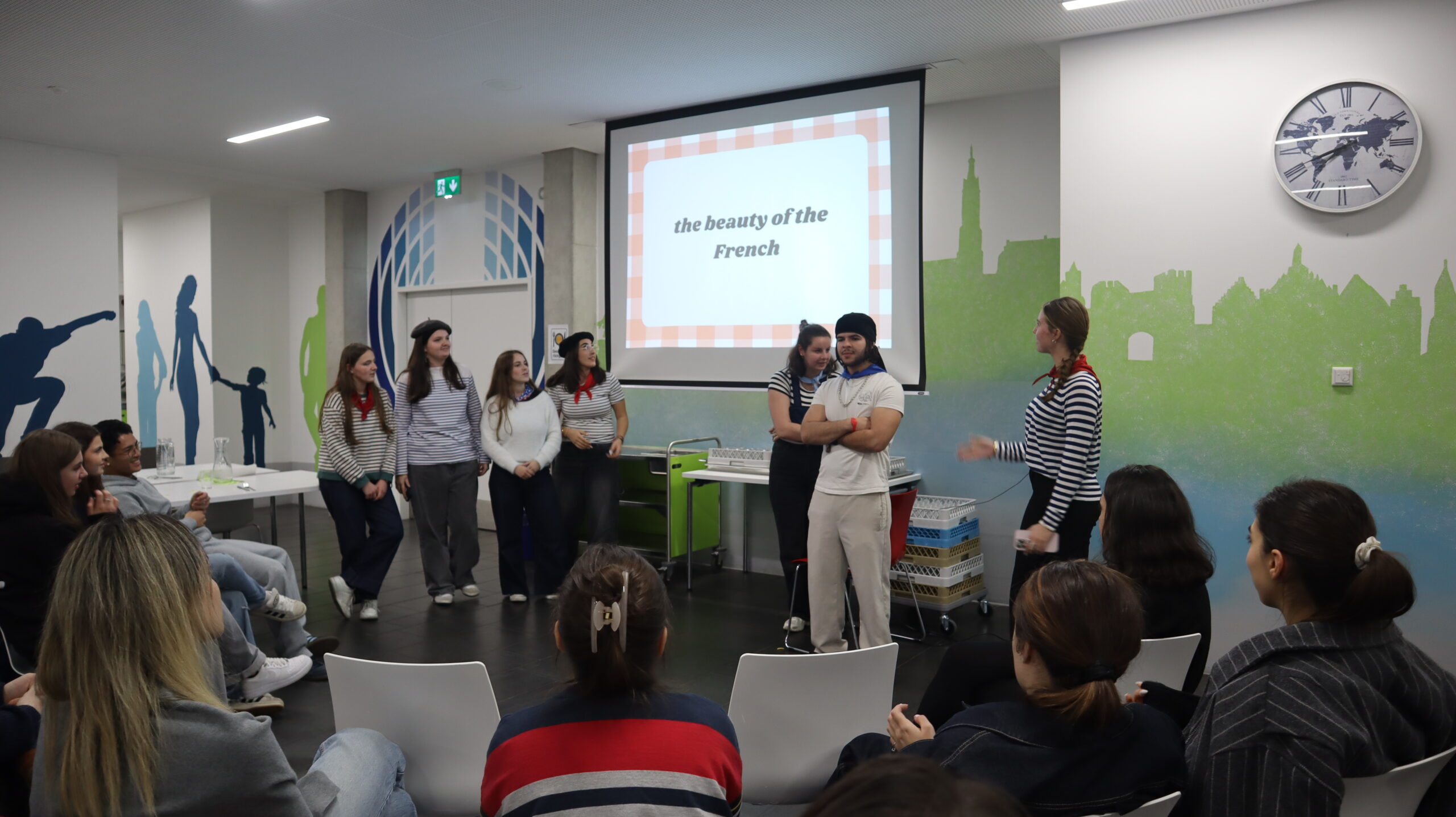
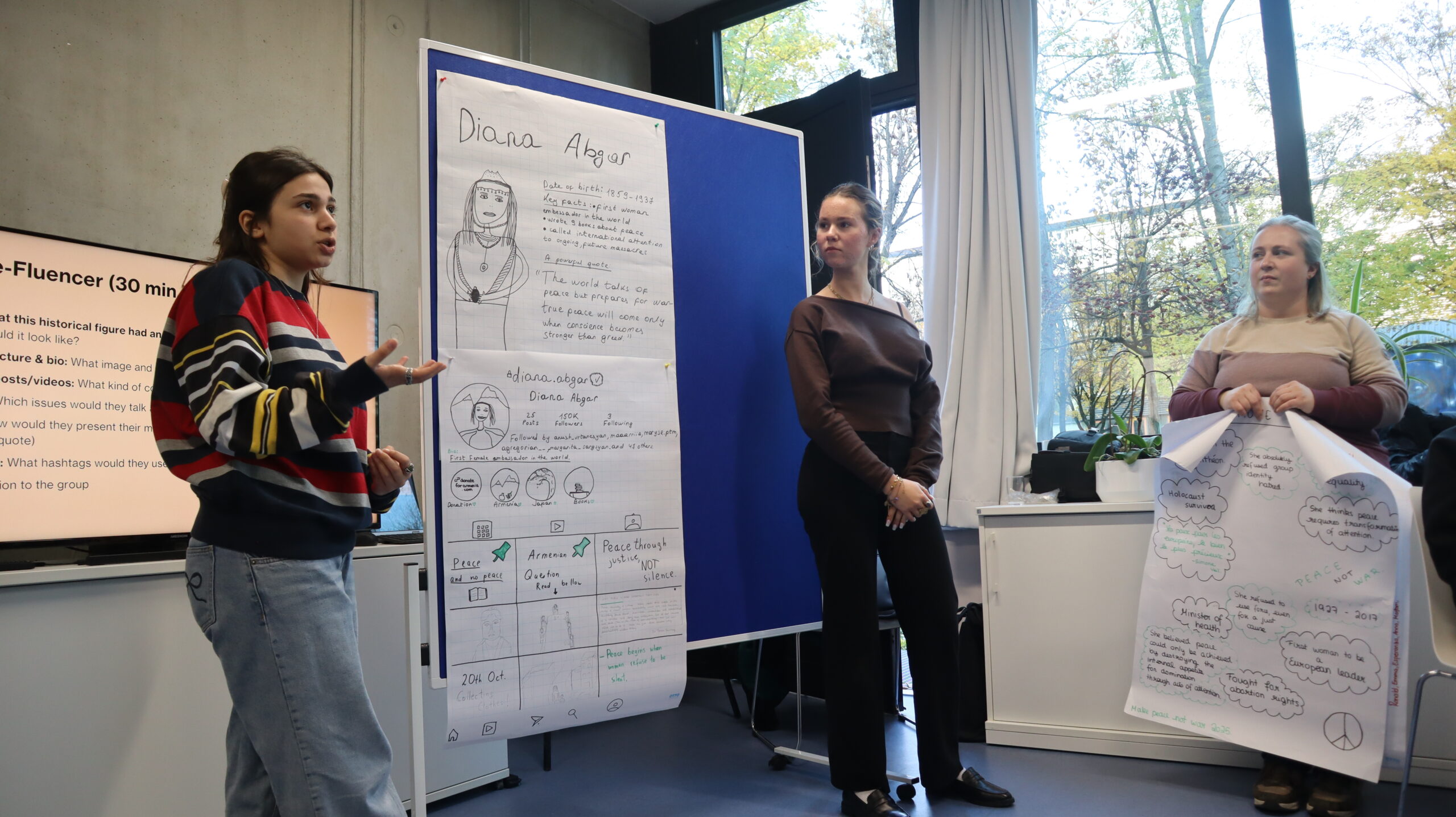
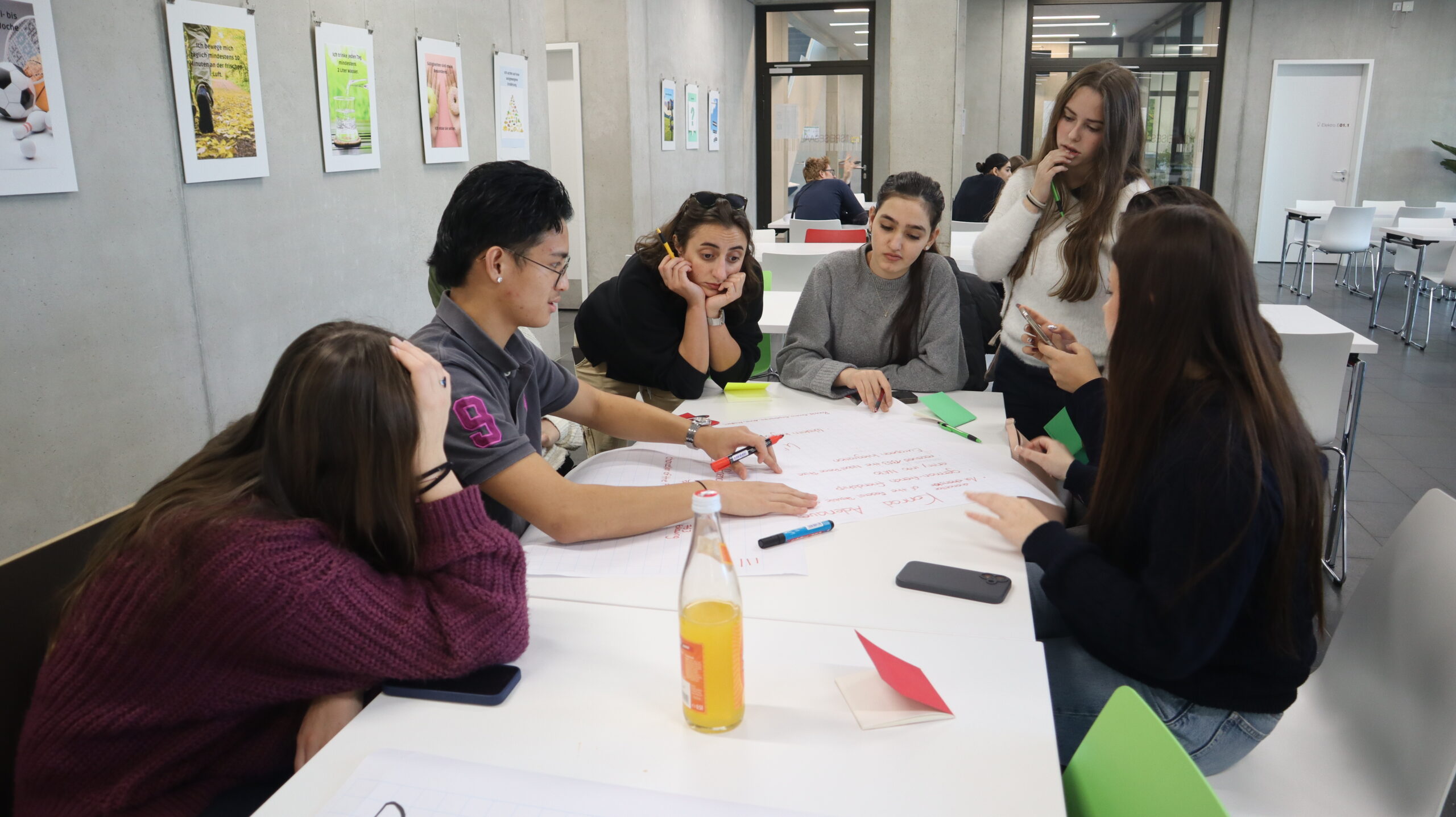
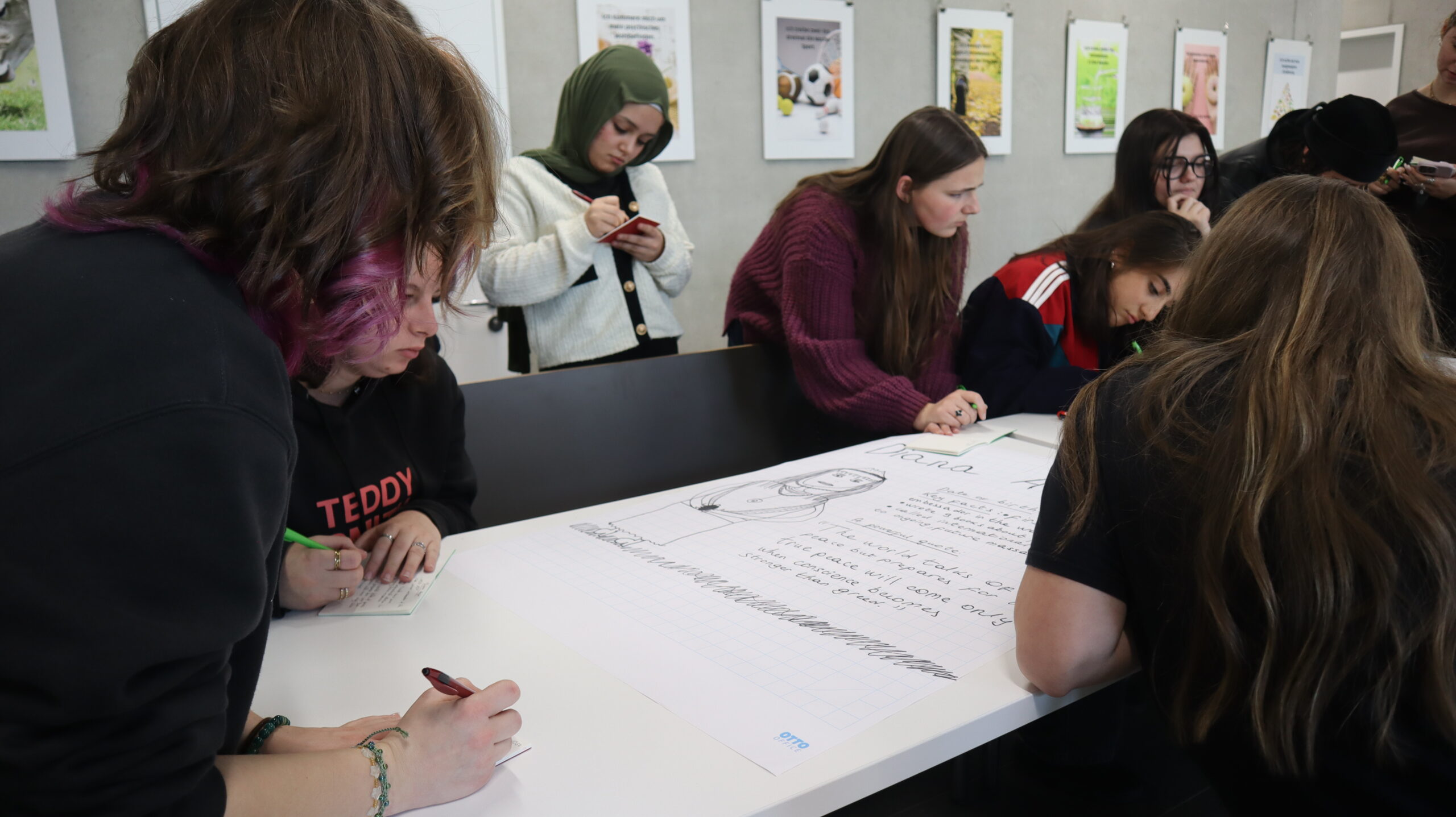
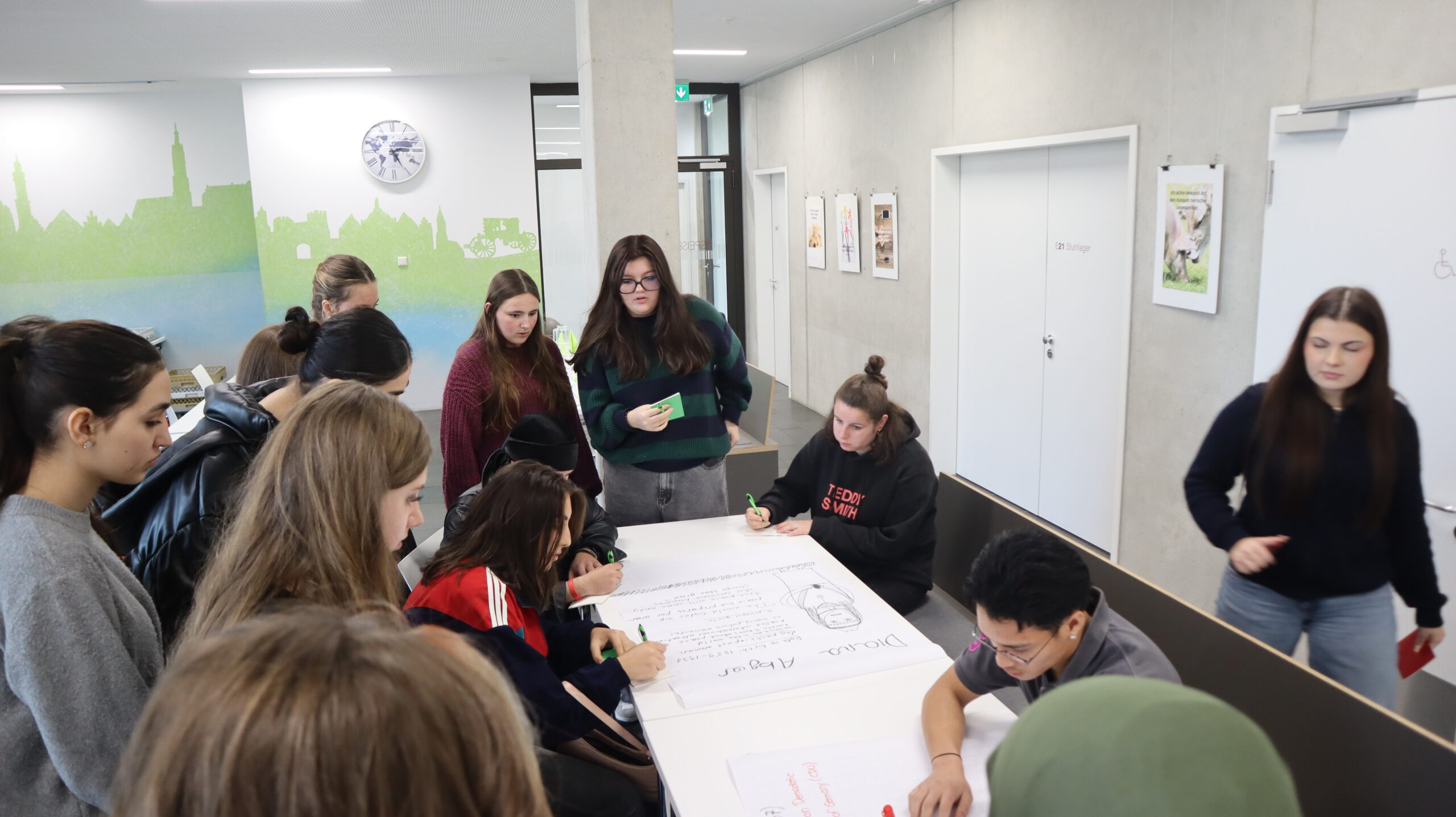
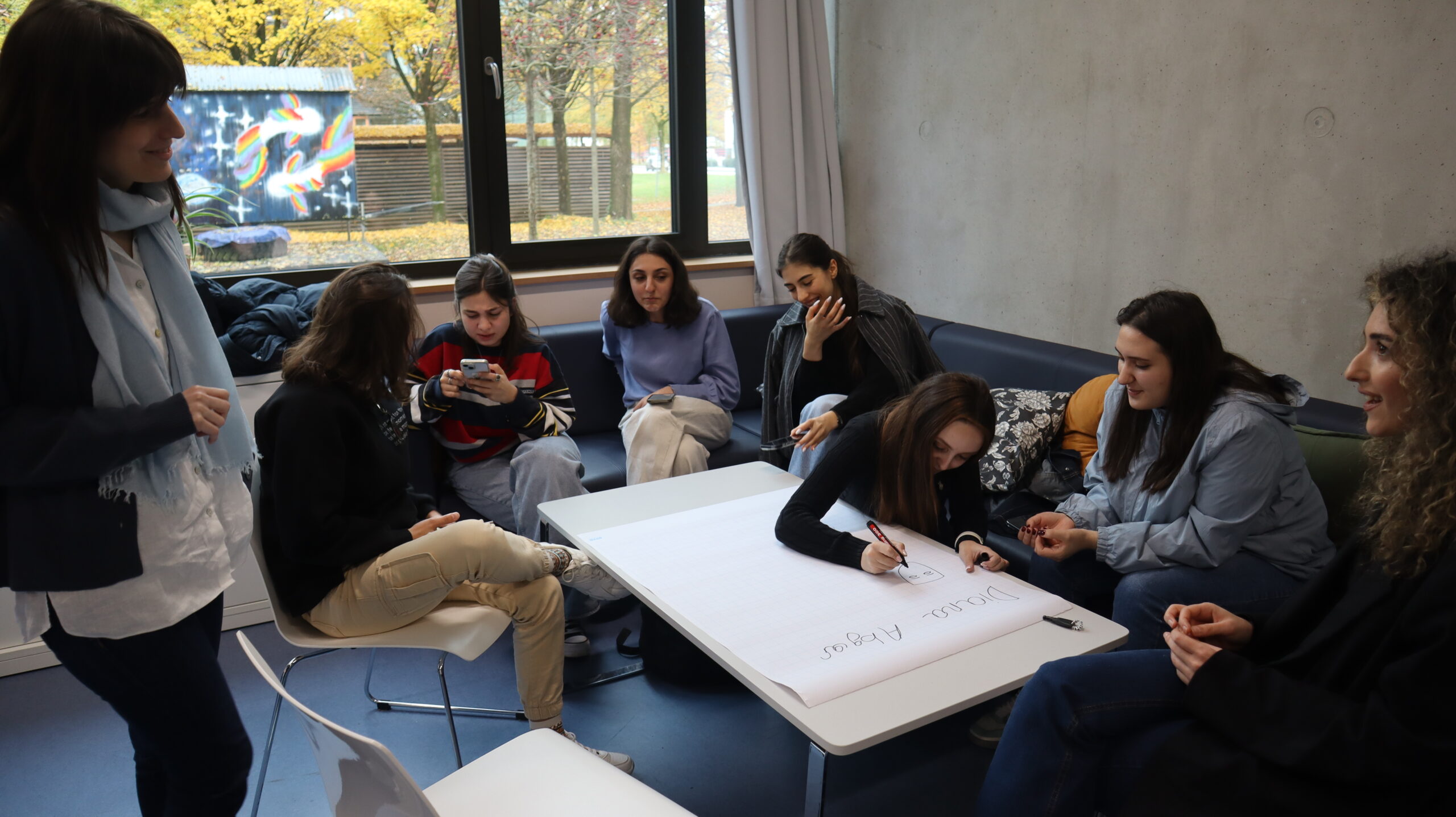
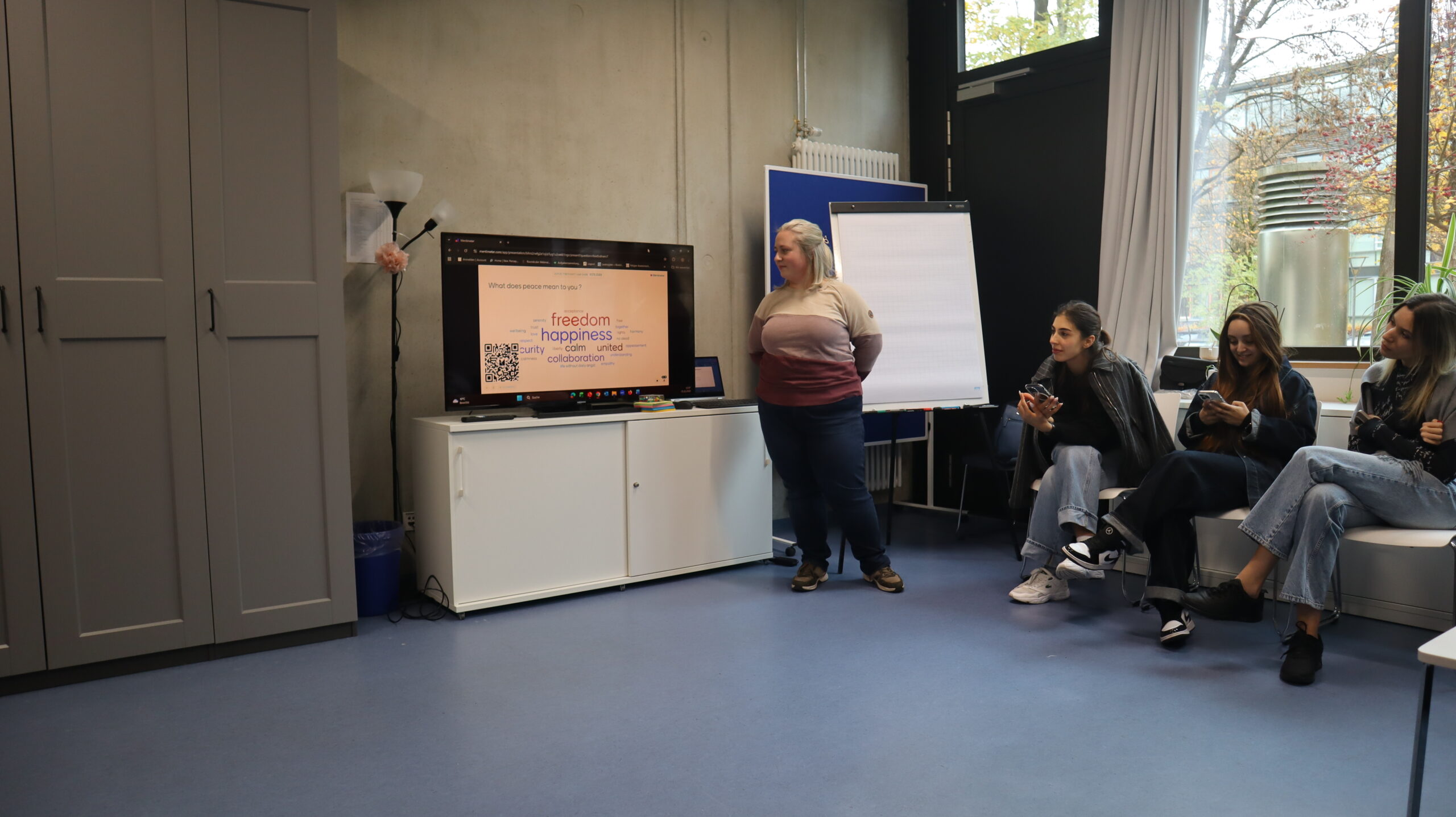
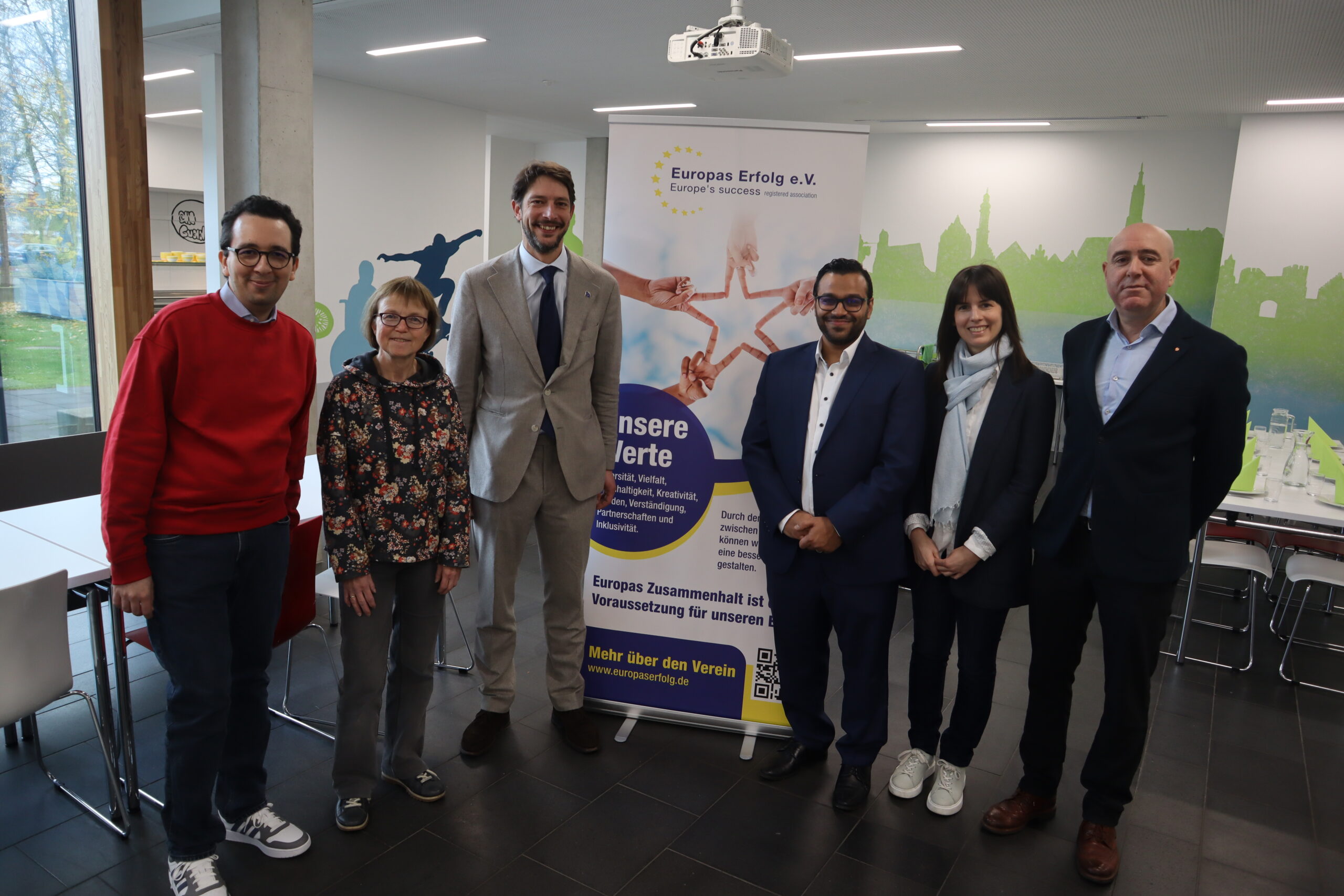
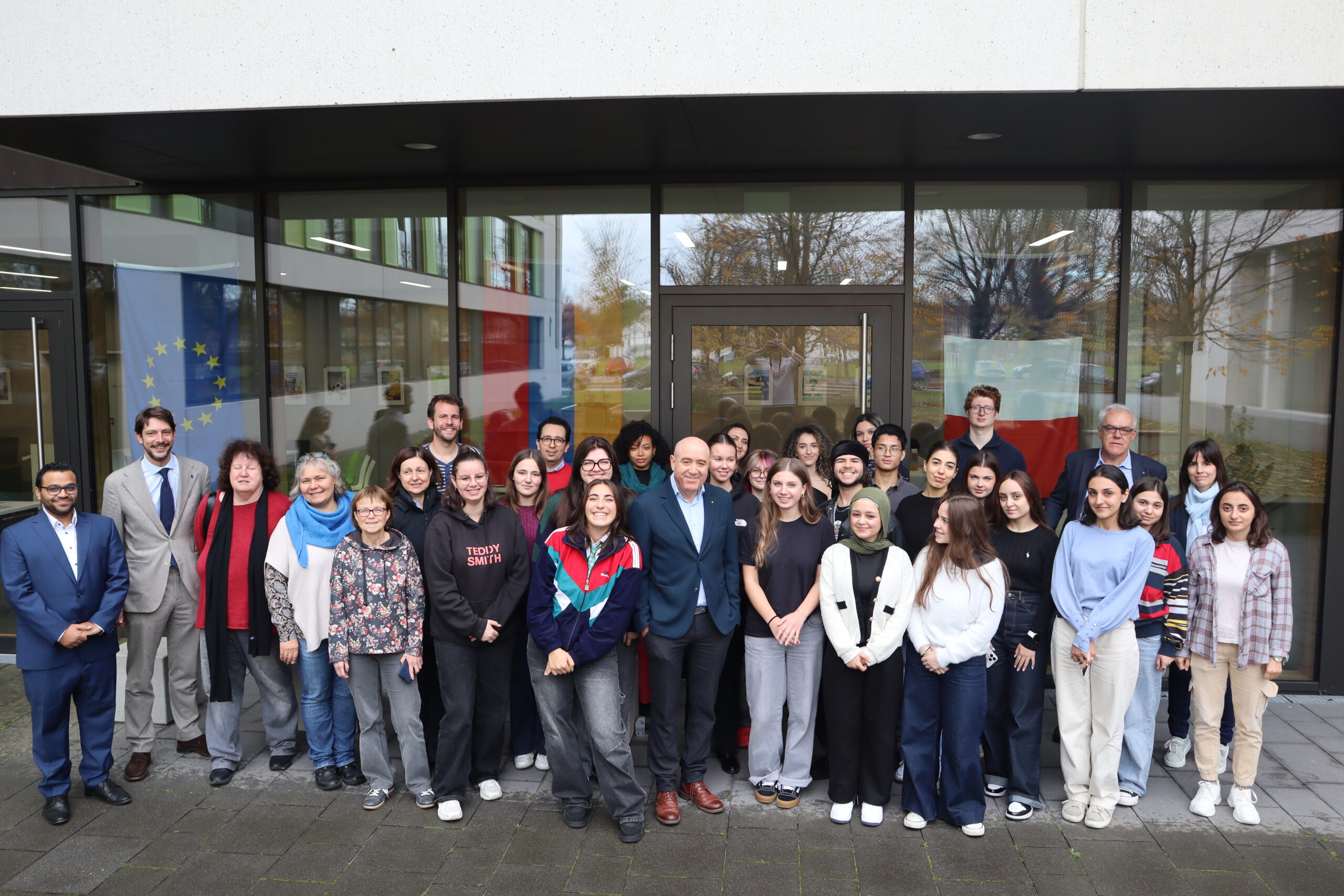
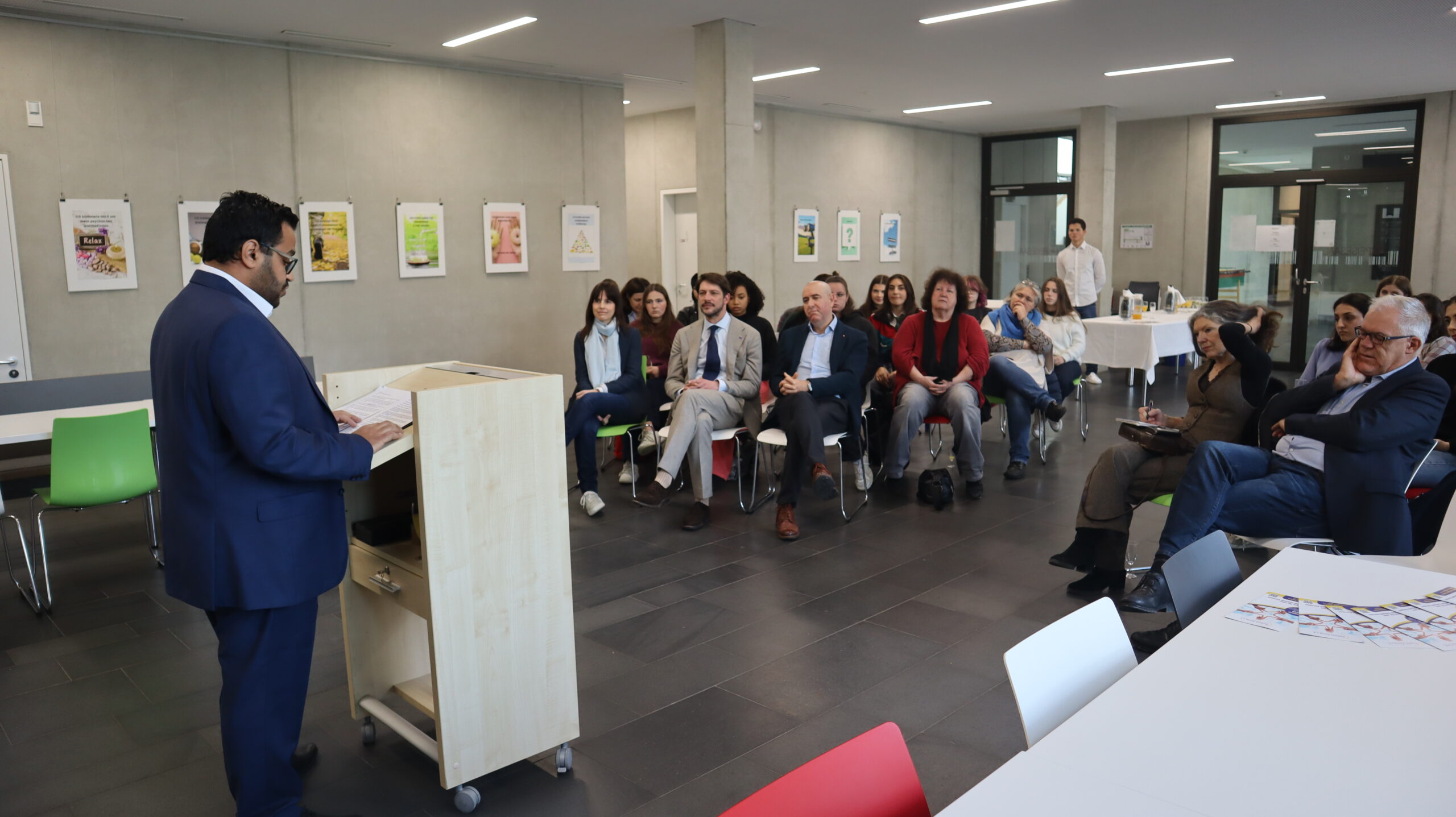
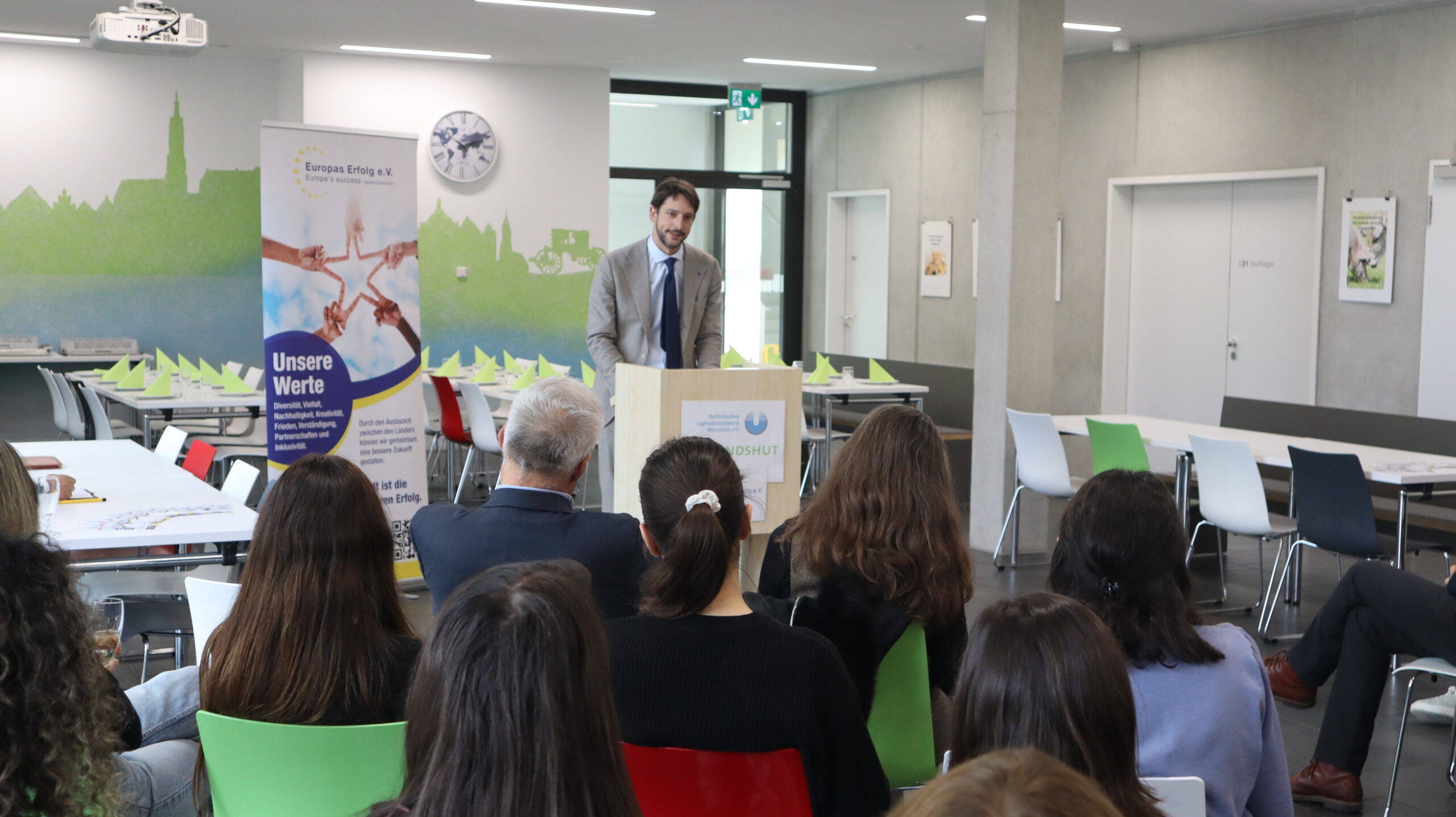
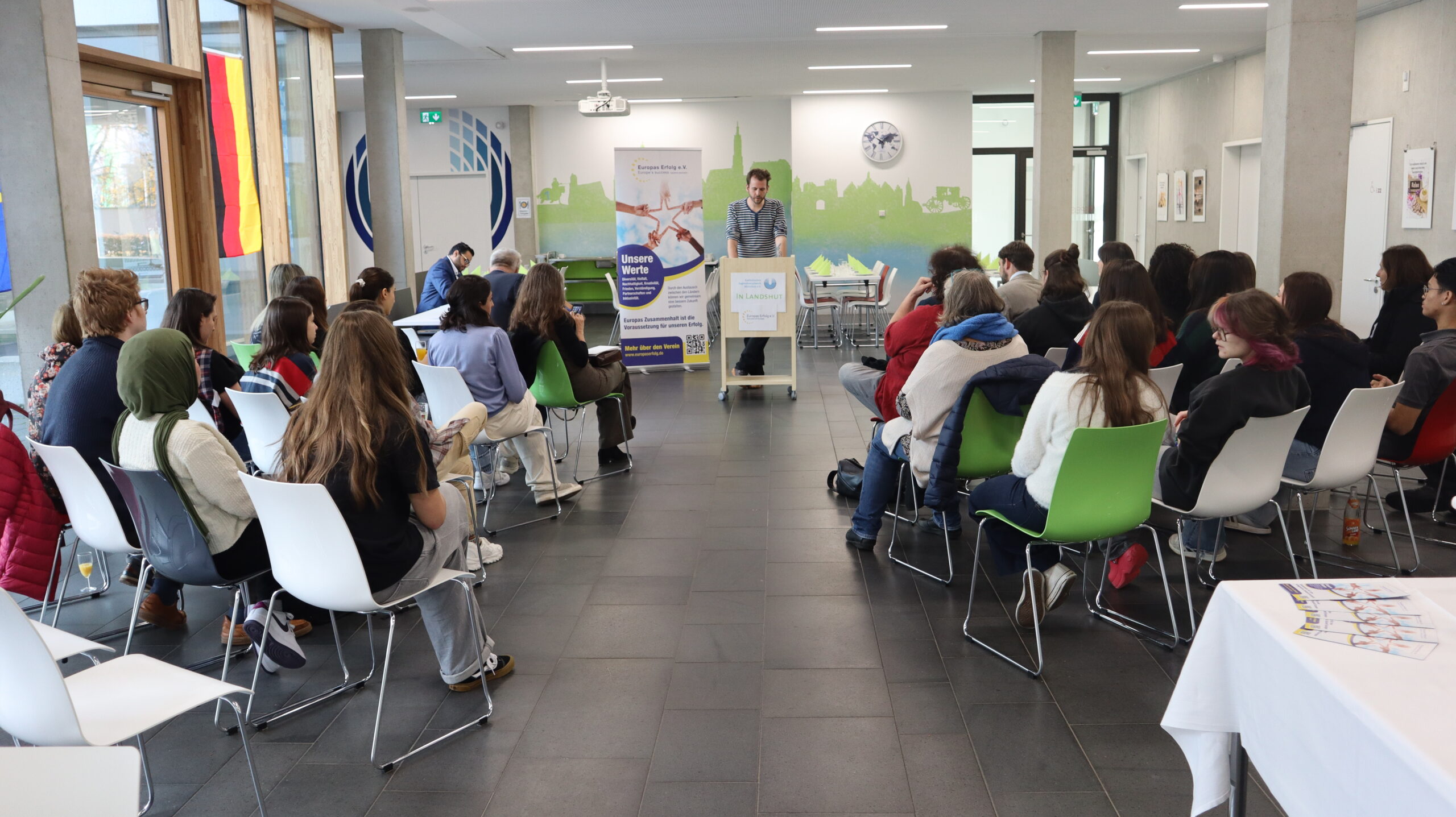
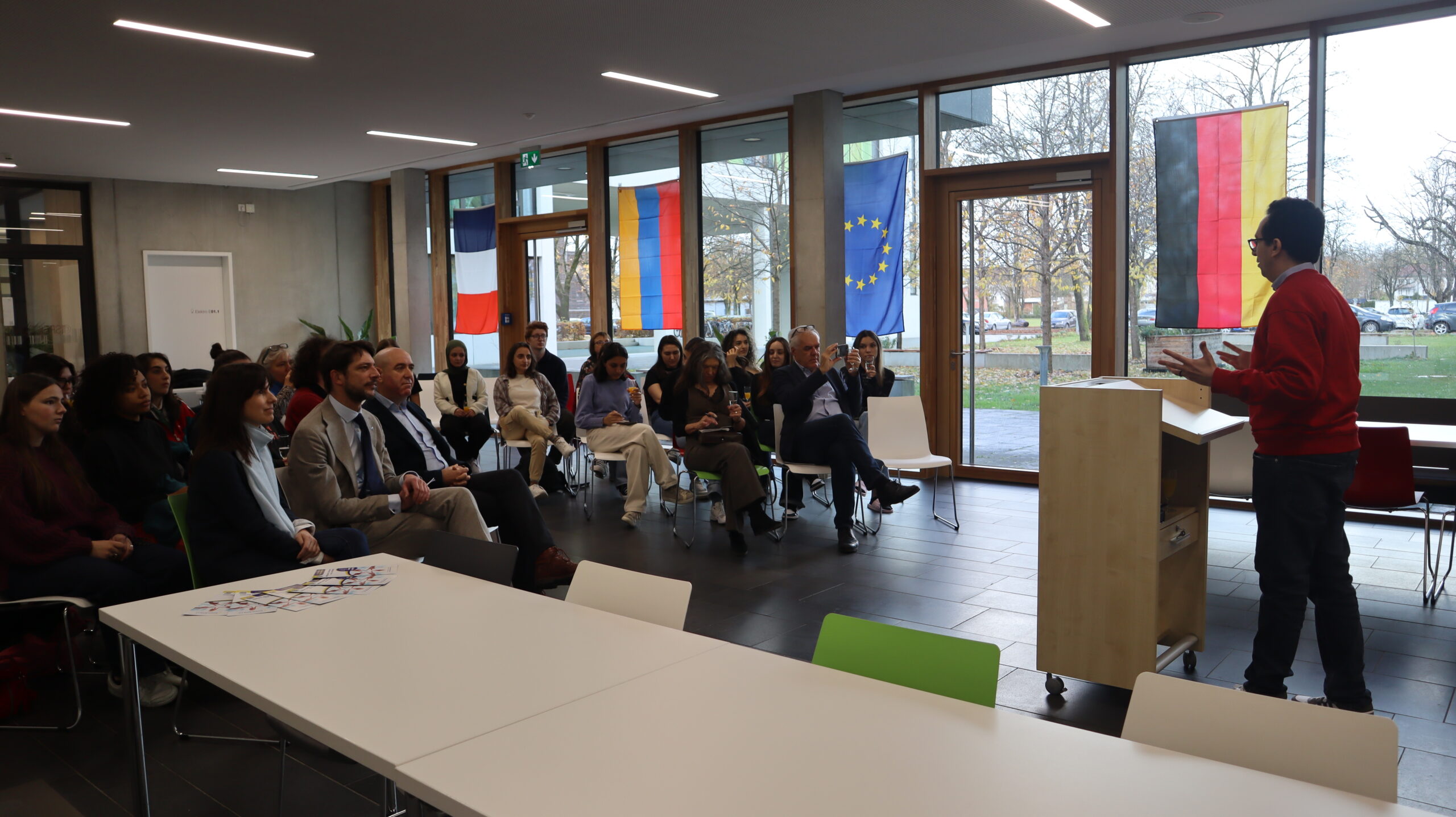
Hier finden sich einige Eindrücke aus der Jugendbegegnung „Make Peace not War – Stage 3“. Die Fotos zeigen, wie die Teilnehmenden während der Woche zusammenarbeiteten, lernten, diskutierten und gemeinsame Erfahrungen sammelten.
Ob Workshops, interkulturelle Abende, der Besuch der Gedenkstätte Dachau oder die Podcastaufnahme – die Bilder veranschaulichen, wie vielseitig, lebendig und bedeutsam diese Begegnung war.
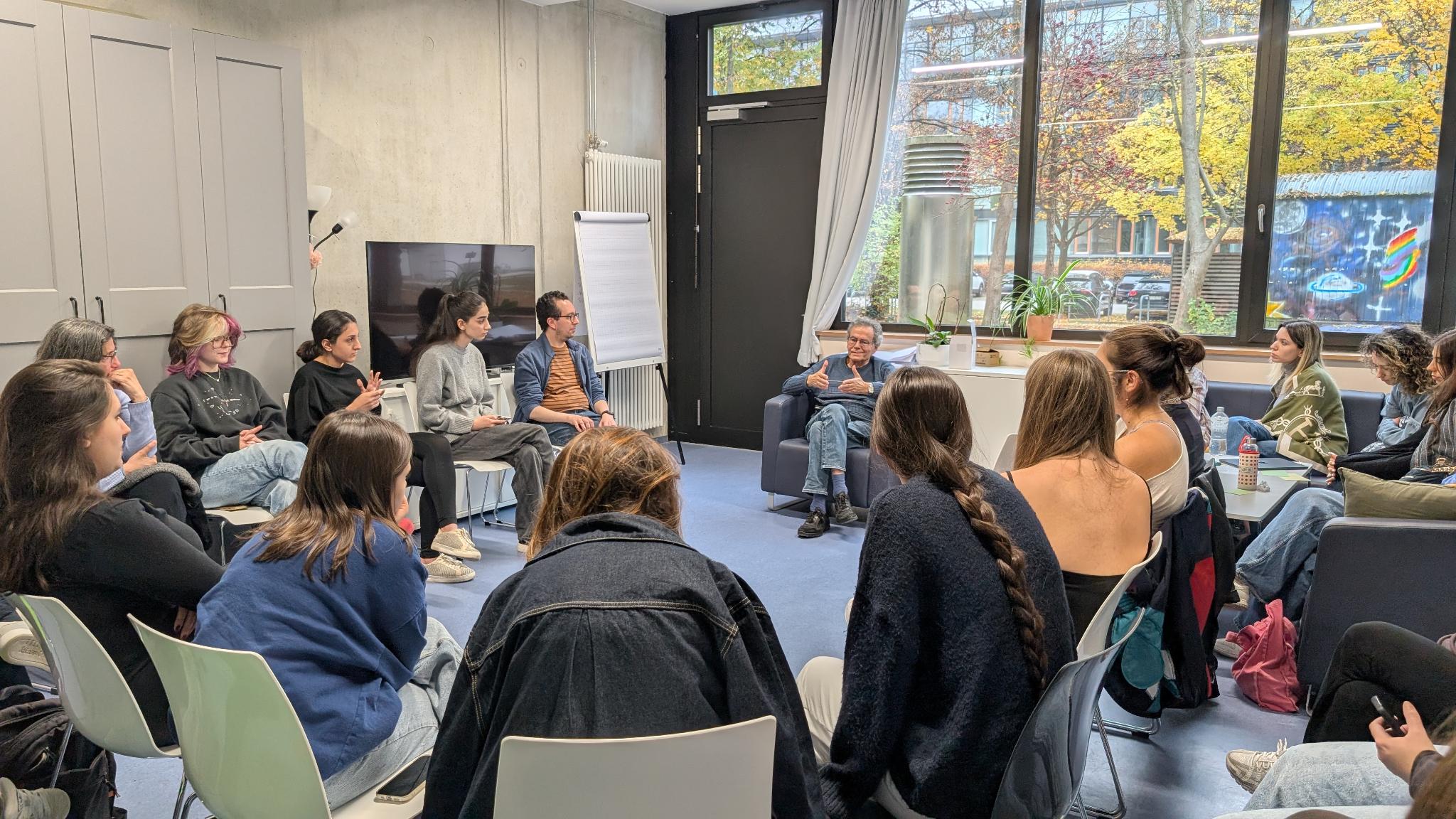
Podcast-Projekte der Teilnehmenden
Am Ende der Jugendbegegnung erstellten die Teilnehmenden eigene Podcasts, in denen sie ihre Gedanken zu Frieden, Demokratie und europäischem Zusammenhalt festhielten. In kleinen internationalen Gruppen entwickelten sie Themen, führten Interviews, schrieben Skripte und nahmen schließlich ihre Beiträge als Audiopodcasts auf.
Die Podcasts spiegelten wider, was die jungen Menschen während der Begegnung gelernt, erlebt und gefühlt hatten – von persönlichen Reflexionen bis hin zu gesellschaftlichen Fragen, die sie besonders bewegten.
Hier veröffentlichen wir die Ergebnisse dieser kreativen Arbeit zusammen mit den Transkripten, damit alle Inhalte barrierefrei zugänglich sind und die Stimmen der Jugendlichen weitergetragen werden können.
Podcast Germany
Transkript DE
Anna: Hi, I'm Anna.
Ronald: I'm Ronald.
Anna: Speaking from Germany, a country with a history that teaches us peace must never be taken for granted.
Ronald: Today, peace is not only threatened by war far away, but also by fear, hate, division right here at home.
Anna: This episode is a reminder, peace doesn't only happen on borders or battlefields.
Ronald: What is the best definition of peace? Well, peace is a stress-free state of security and calmness that comes when there's no fighting or war. Even everything coexisting in perfect harmony and freedom. Peace begins with us, in our voices, in our choices, in our courage. What peace really means? Peace is not only the absence of violence. It is the presence of justice, equality, and respect. Germany is facing a growing shift toward far-right beliefs once again.
Anna: Peace is when a Muslim girl can wear a hijab without fear. Peace is when a Jewish family feels safe while walking home.
Ronald: Peace is when LGBTQ+ people can love freely. Peace is when refugees are treated as humans, not as threats.
Anna: Peace isn't soft, it's brave. Sometimes peace means speaking up, when silence would be easier. Germany today, a warning from the past. Germany is seeing a shift to the far-right. Ideas that we thought were gone are growing again.
Ronald: Some people believe hate is the answer to fear. Some believe exclusion is the solution to problems.
Anna: But our history whispers no, it shouts, division destroys peace.
Ronald: We know what happens when voices of democracy stay silent. We know what happens when “Us versus them” becomes normal.
Anna: So let us ask not only how do we prevent war? But also, how do we protect peace in our society?
Ronald: Peace in our daily lives. Peace begins in the ordinary moments, at school, on the bus, or online.
Anna: It is how we talk to someone who thinks differently. It is choosing empathy over judgment.
Ronald: When a racist joke is made, do we laugh? Or do we say, that's not okay?
Anna: When someone is bullied, do we turn away? Or do we stand beside them?
Ronald: Peace is not passive. Peace is an action.
Anna: Culture connects us. Music, language, stories, these are bridges.
Ronald: The moment we cross a bridge, we see that strangers are not so different.
Anna: We all laugh. We all hope. We all want safety, dignity and a future.
Ronald: The more we learn from each other, the less room there is for them and for hate.
Anna: So what can we do? We are not powerless.
Ronald: Well, we can vote. We can speak up. We can listen better. and we can show courage.
Even in small ways.
Anna: Every time we defend respect. Every time we choose kindness. Every time we reject hate. We protect peace.
Ronald: So, Germany once learned peace the hard way. We must not forget that lesson.
Anna: Thank you for joining us.
Anna & Ronald: Remember, peace begins with you.
Podcast Frankreich
Transkript FR
Hélène: Hi everyone, so we're the French team composed of Hélène, Maelle, Léonie, Rayan, Juliette, Maryse and Léa.
Maelle: So, our topic today is about the feeling of peace in France, which is particularly linked to gender equality in French society in 2025. Speakers in this podcast will talk about the conservative vision of patriarchy, but also about the positive aspects in changing mindset and the institution. Finally, we will hear the idea that hopes can also be placed in education of future generations. First, we are going to talk about the negative aspects of gender inequality in society. Léonie, can you tell us more?
Léonie: So, nowadays, there is a trend in France, which comes from the USA, that shows a minority of people that have archaic vision. It's called Tradwife, and it's on TikTok. or on Instagram.
It shows a wife that stays at home, that takes care of their children, and they are doing the household chores. The problem is that sometimes it's not their choice, it's their husband's choices. And if we want equality, we have to choose the way we want to work.
Moreover, there is a group called Nemesis. It's not a huge group, but we're still talking about what they are doing. Because they are a far-right group, and extremists, they call themselves feminists, but in reality, they are xenophobic because they believe that all the non-European immigrants are very aggressive towards women. And they are also racist and homophobic, because they don't accept black women and lesbian women in their group.
In addition, we have the Masculinism. Masculinism is most often a set of reactionary, misogynistic, androcentric and anti-feminist movements that aim at promoting the interests of men at the expense of those of the women. This movement is based on male power. The symbol of this movement is tied first and closed within the shield and spear of mas.
Maelle: Thank you Léonie for this information. Despite this bad news for the sake of peace between genders, there are still some positive aspects and improvements. So, Hélène can you give us more information?
Hélène: So to start with, we have the difference in women’s and men’s wages. Women's overall wage is in France is about 22% less than a man's one. So to have that equality in certain types of jobs we have like a grade to permit to have this equality.
For example for the teachers, it’s the first grade and it's about 1.850 euros per month and in grade 11 it's about 2.800 euros so in 10 years it's about 1.000 euros more.
Then we have the consent, which in France became really important. We have it in the law now. Today saying no or nothing means it didn't have consent. That law was voted last year so it permits the the victims to be protected by the law.
Moreover, there is also an abortion rights, that was legalized in 1975 thanks to Simone Veil, who was the Health Minister at that time. Last year, too, that law was included through the French Constitution, which is a huge step, even though there is still a lot to do.
Finally, there is also paternity leaves, which is about 30 days, and 7 of them are mandatory. It went from 14 days to 30, and it helps the mother to keep her mental health and reduces her pressure after having her baby.
Maelle: Okay, thank you Hélène for this. Now that we have seen a bit of negative and positive, Rayan, can you explain to us how we can put our hope in education of future generations and to ensure peace in our society and how it works?
Rayan: Of course, education plays a very important role in building peace and equality in France. In recent years, the French education system has tried to become more open, modern, and respectful. Schools are not only teaching academic subjects, but also values like respect, empathy, and dialogue. One big change has been in sexual education. Today, teachers talk more about consent, equality between men and women, and emotional intelligence. These lessons help young people understand the relationship in a healthy way and reduce violence or discrimination. So the goal is to make students feel safe, respected, and aware of their rights by learning about consent and respect. Young people are more likely to build peaceful and fair relationships later in life. Education for peace means today tolerance, listening to others, and understanding diversity. In France, new programs encourage discussion instead of conflict and help create a generation that values equality and mutual respect. In short, improving education, especially sexual education, helps build a society where peace is not just an idea but a way of living together. Thank you for listening.
Maelle: Okay, thank you all for your participation. Do you have something to add, Hélène?
Hélène: Yes, I would like to, actually. Peace is still something really important and a key topic to talk about. And we still have a lot of changes to do. The fact that we're here to talks about education and peace and that in France means a lot to us. So we're really thankful for that and even though we missed some of our friends here, I think we all share the same opinion about that and that is still a really big topic and we still have a lot of steps to do. But we're still really thankful to be here and thank you for having us here.
All: Thank you. Thank you. Bye!
Podcast Armenien
Transkript AM:
Zaruhi: Hello, and welcome to our podcast “Make Peace, Not War.” I'm Zara Tashchyan, a student from Armenia, and today I have the honor to speak with Anna Grigoryan, who comes from Artsakh.
Anna: Hi, everyone. Thank you, Zara. I'm Anna, and I hope that through our conversation today, we can share some thoughts about peace and how each of us, especially young people, can make a difference.
Zaruhi: Anna, before we dive in, for those who may not be familiar, could we give a brief overview of the situation in Artsakh?
Anna: Sure. Artsakh, also known as Nagorno-Karabakh, is a region in the South Caucasus that has been at the center of the conflict for decades. Over the years, wars and clashes have forced thousands of families to leave their homes. It is a deeply complicated political issue. But, today I would like to focus more on the human side, the lives affected, the dreams interrupted and the pain of displacement.
Zaruhi: Absolutely. And that personal perspective is something our listeners need to hear. Anna, could you share a little about your experience?
Anna: Of course. I was born in Artsakh and grew up in the small town of Martakert with my family. Growing up, I remember having a pretty regular childhood, even though I witnessed and heard about ongoing military actions and bullets flying towards our homes. However, the realization of all the horrors of war unfortunately hit me in 2020. At the time, the clashes escalated and many of my relatives were on the front lines.
I remember a call from my father telling me that it might be our last conversation. I was overwhelmed with fear and sorrow. For a time, Artsakh was under blockade and I still remember the moments when my cousin would ask for something as simple as candy, but the markets were empty. These memories come back to me very often. And each time I am consumed by a profound sense of helplessness.
Zaruhi: And before the podcast, yesterday, we were discussing all the stories of your past. You also told me about how you left your house in Artsakh. Would you feel comfortable sharing that with our listeners?
Anna: Yes. By the end of the blockade, we had to quit our homes where we had lived all our lives. I wasn't there and my brother called me and asked what he should take from our house. And we understood that we probably would never be able to go back. Being forced to pack your whole life in a bag and leave is something I don't wish for anyone. I told my brother to take our family album, which is now one of the few tangible things that we have from our past.
Zaruhi: I can't even imagine Anna. It really makes you understand how devastating war is on a personal level. As someone from Armenia, seeing the stories of people from Artsakh, friends, relatives, it hits really close to home for me too. At the time of war, the whole nation got united around the same idea of trying to help somehow. People didn't even know each other. They were collaborating with each other. They were collecting first aid kits, other resources, and volunteering at food banks.
Anna: Yes, Zara. And, you know, I think that's why peace feels so urgent today. And it's not an abstract idea. It's about children growing up without fear, families not being torn apart, communities not being erased. Peace isn't just political, it's deeply personal.
Zaruhi: Exactly. And I think that's why we wanted to talk about peace today. Sometimes when we think about peace, we think about treaties or negotiations between leaders. But at the end of the day, it starts with empathy, understanding, and small actions that prevent harm in our own lives and communities.
Anna: That's so true. And I think it's also about resilience. Peace doesn't mean forgetting the past or pretending nothing happened. It means acknowledging pain and learning from it.
Zaruhi: Yes, exactly. But there's another point I wanted to add. Peace and war, they seem to be things we all intuitively understand. But after actually experiencing it, you come to realize that there's no hard distinction. The absence of war doesn't mean peace. For example, in Armenia right now, there are no military actions. But I personally don't feel at peace because the aftermath of war is everywhere. You can't find a single neighborhood in Armenian cities where on the buildings you won't see paintings dedicated to young boys and men, soldiers who died in war.
Anna: Speaking about this is very emotional and sometimes hard. Sometimes I feel the weight of pain. But I know that if people stay silent, the lessons of the past might be forgotten. And that's why I wanted to speak here. To let young people in Europe and beyond know the consequences of war.
Zaruhi: Yes, and peace isn't just a word, you know, it's a responsibility. Sometimes people feel helpless when they hear about war happening far away. But, in reality we have to act, to stand against injustice, to foster dialogue and to make sure future generations don't inherit the same suffering.
Anna: Yes, exactly. And I think that's a message for youth everywhere, whether we are in Germany, France, Armenia or any other country. Peace begins with self-reflection and compassion. Even small acts; standing up against bullying, helping refugees, educating others about history. These are building blocks of global peace. At the end of the day peace begins at the individual level and then it spreads outwards.
Zaruhi: That is so true. And I want to leave our listeners with this thought. Take a moment today and think, what can I do to make peace real in my life? Not tomorrow, not in some distant future, but today. Because each small choice, each act of understanding or kindness contributes to a world where war doesn't define our lives. Thank you so much for joining us today, Anna, and for sharing your story so openly. And thank you. To our listeners for tuning in.
Anna: Thank you, Zara. And to all young people listening, peace is not just a dream, it's a choice, and it begins with you.
Die Jugendbegegnung gefördert, finanziert und unterstützt von
Deutsch-Französische Jugendwerk (DFJW)
Jugendsozialwerk Landshut
Bayerischer Jugendring

Fremdsprachenschule Landshut
Bürgerstiftung